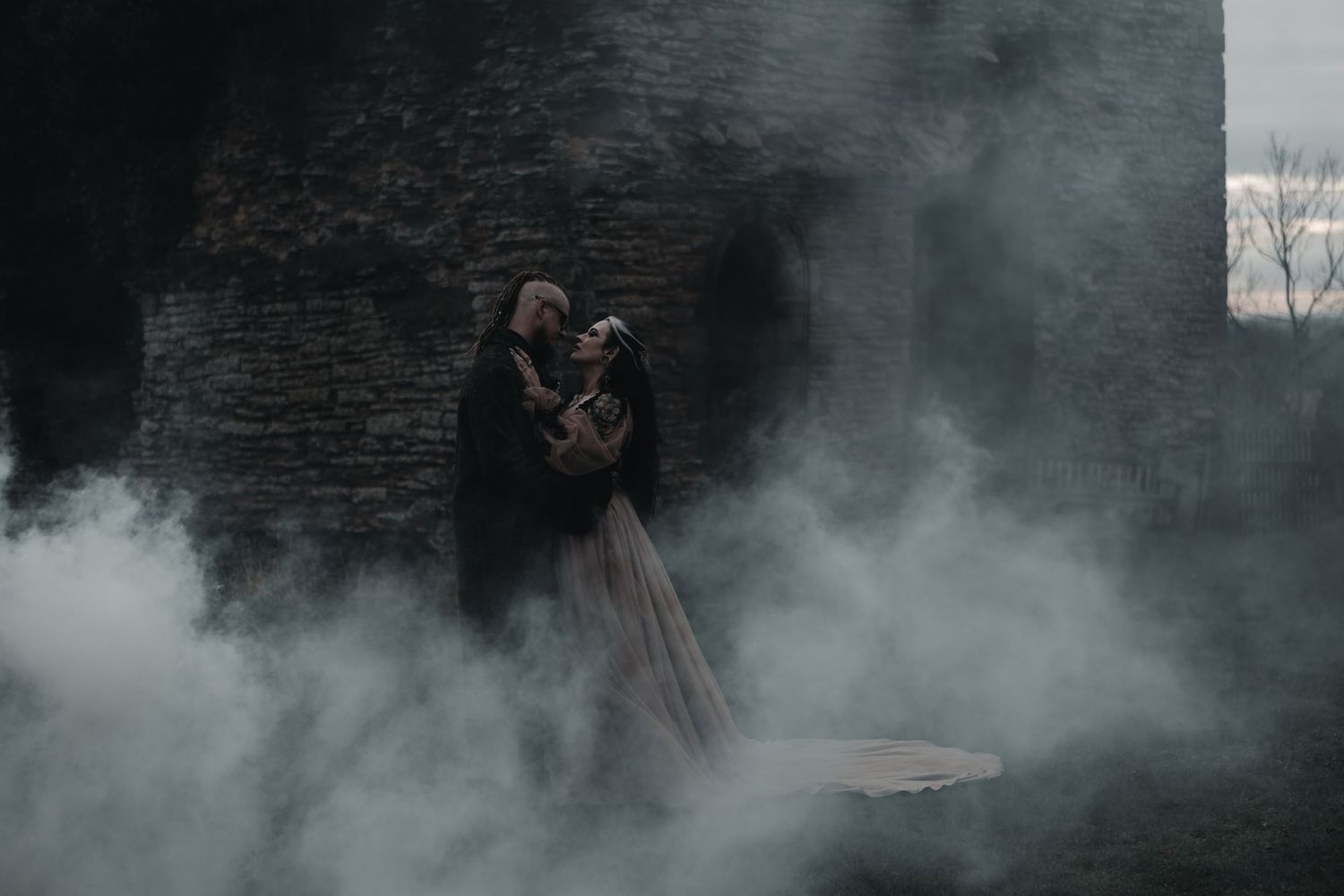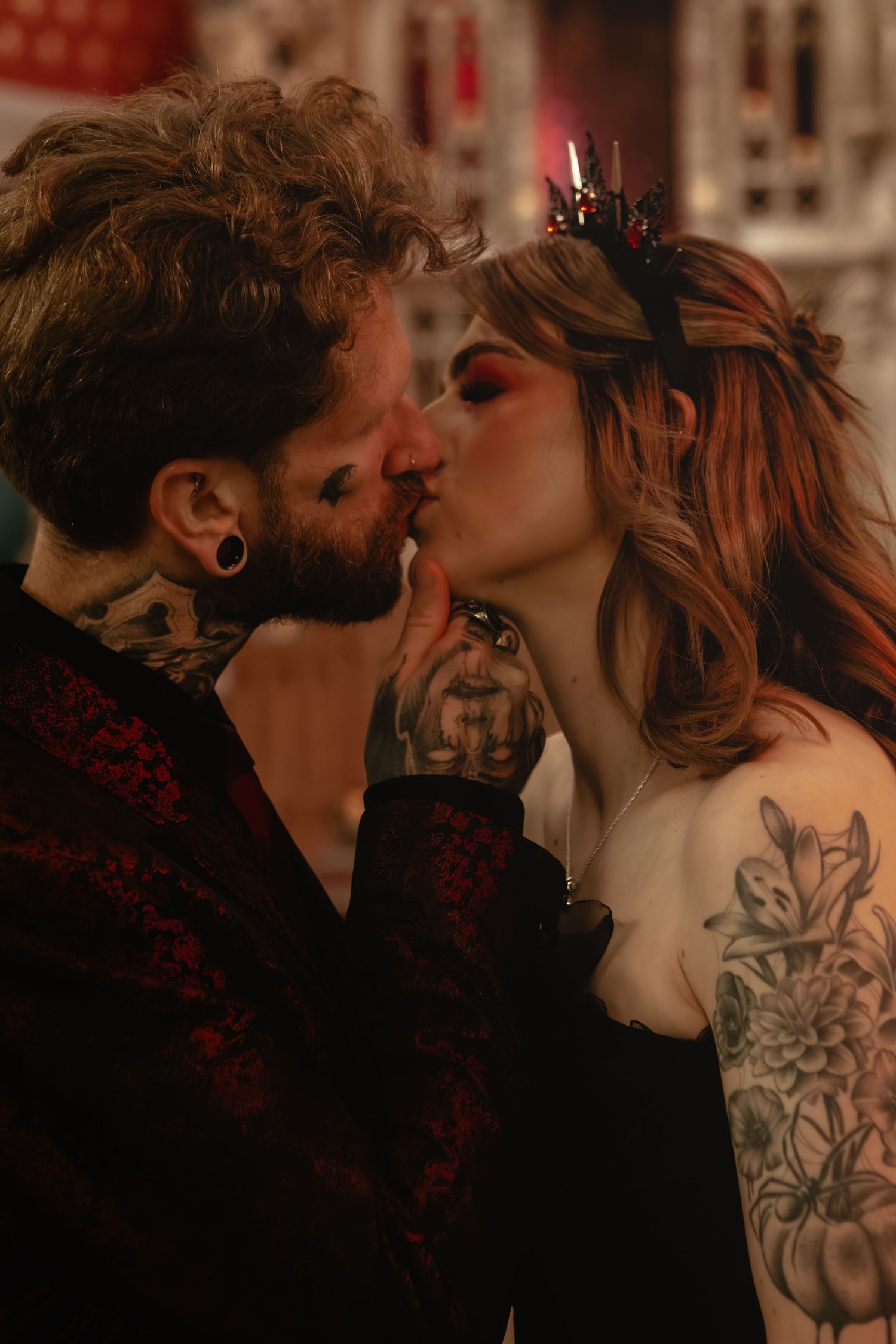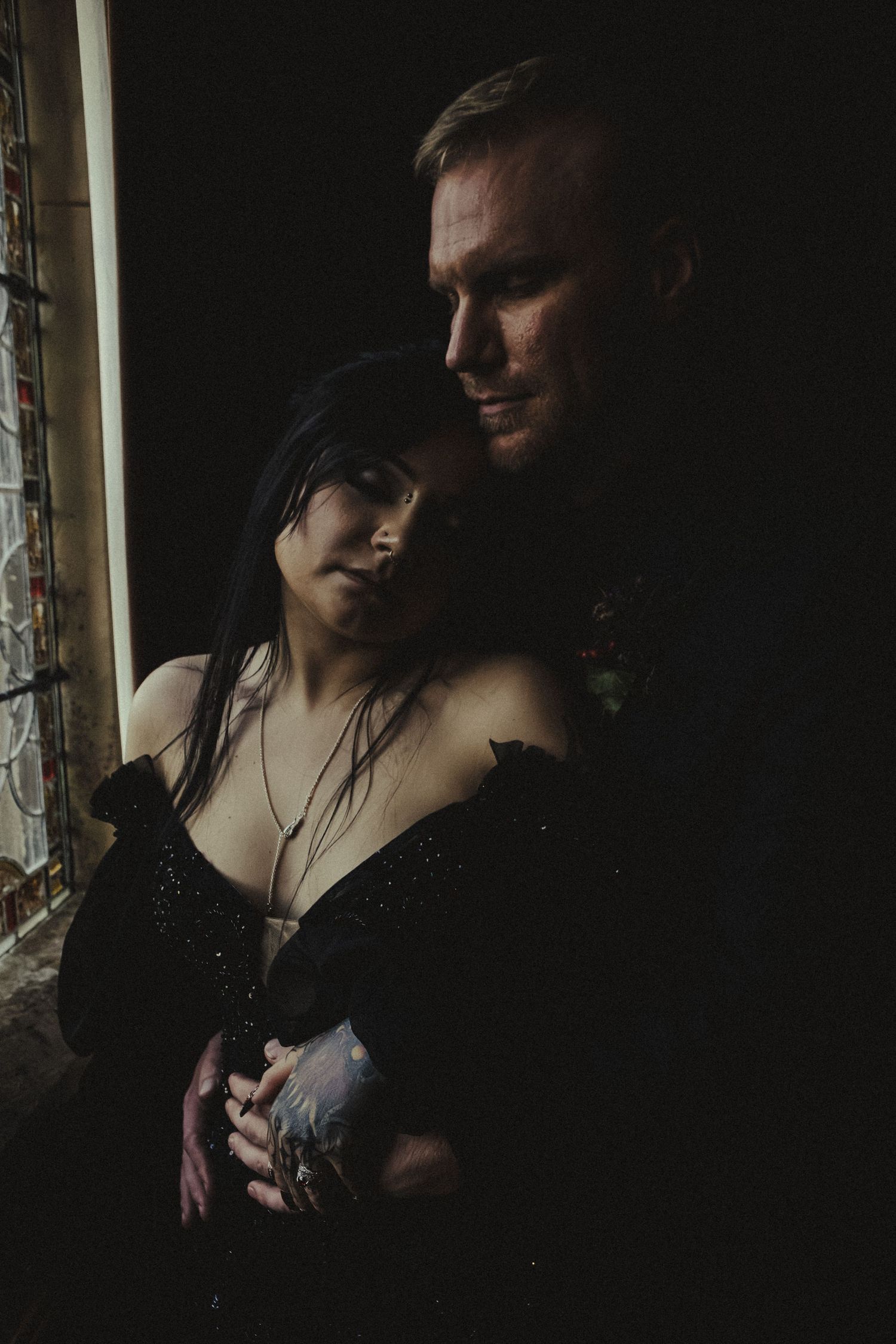
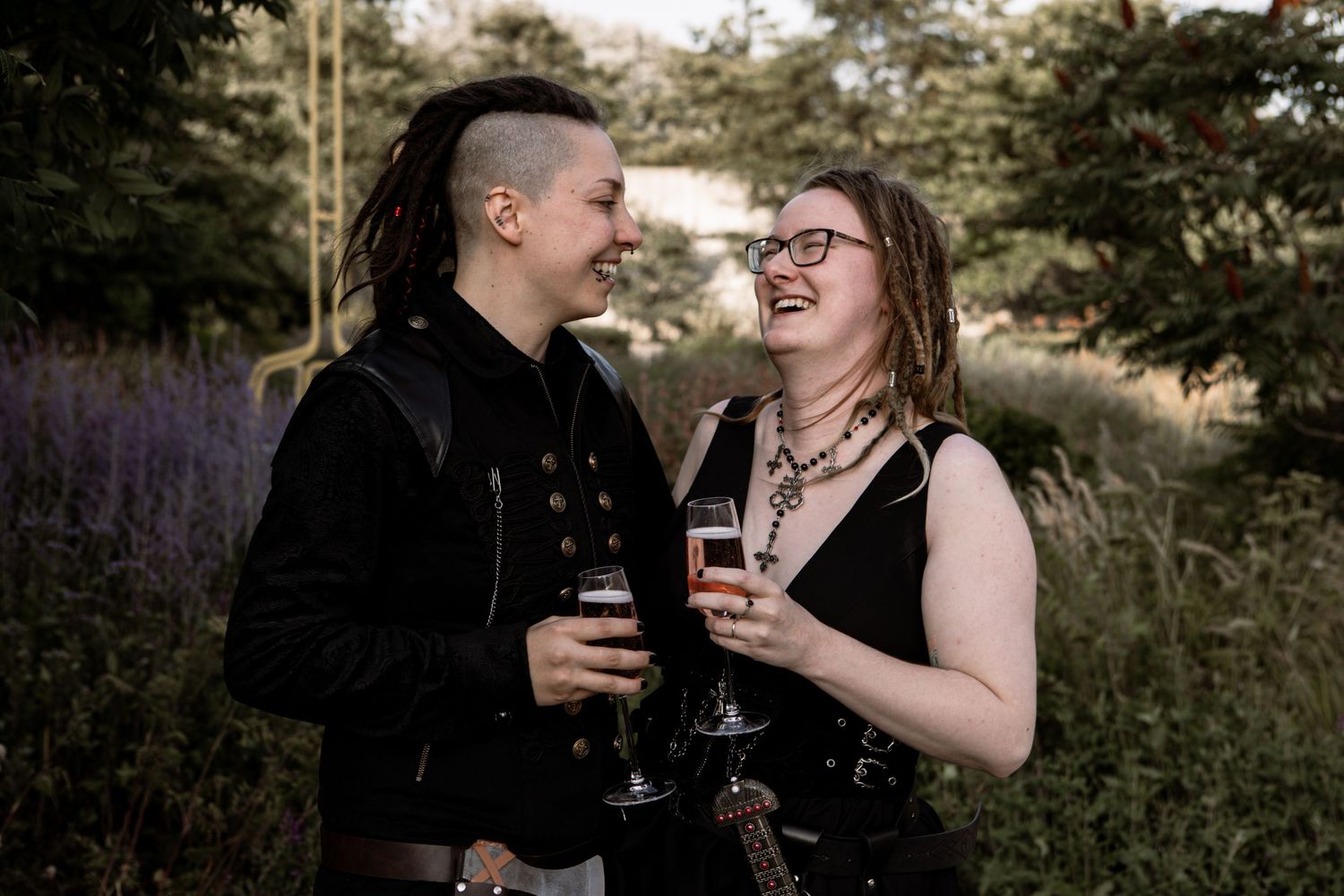
What to Look for in Alternative Wedding Suppliers Without Loosing Yourself
Your wedding’s not a photoshoot, or a show. It’s your story.
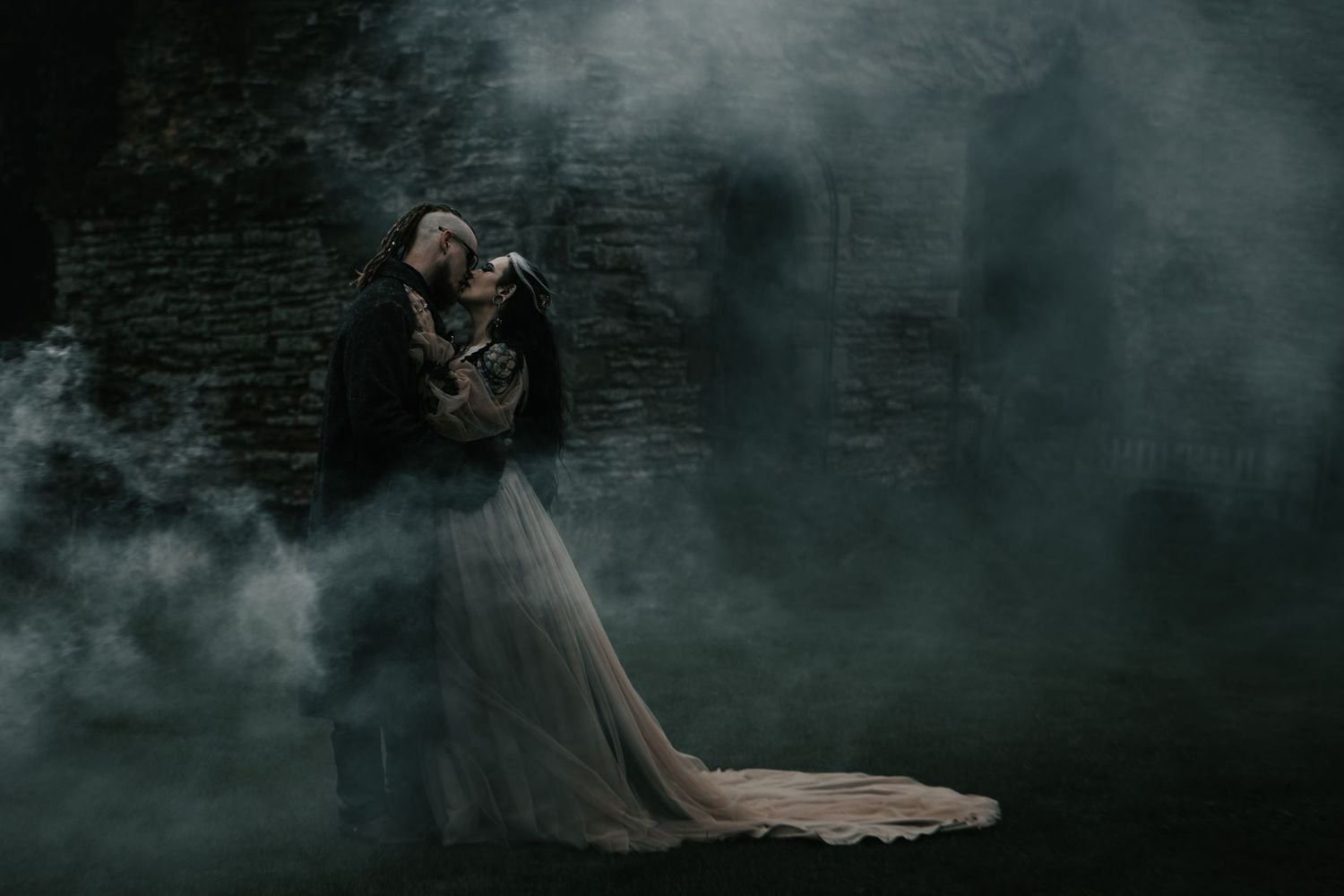
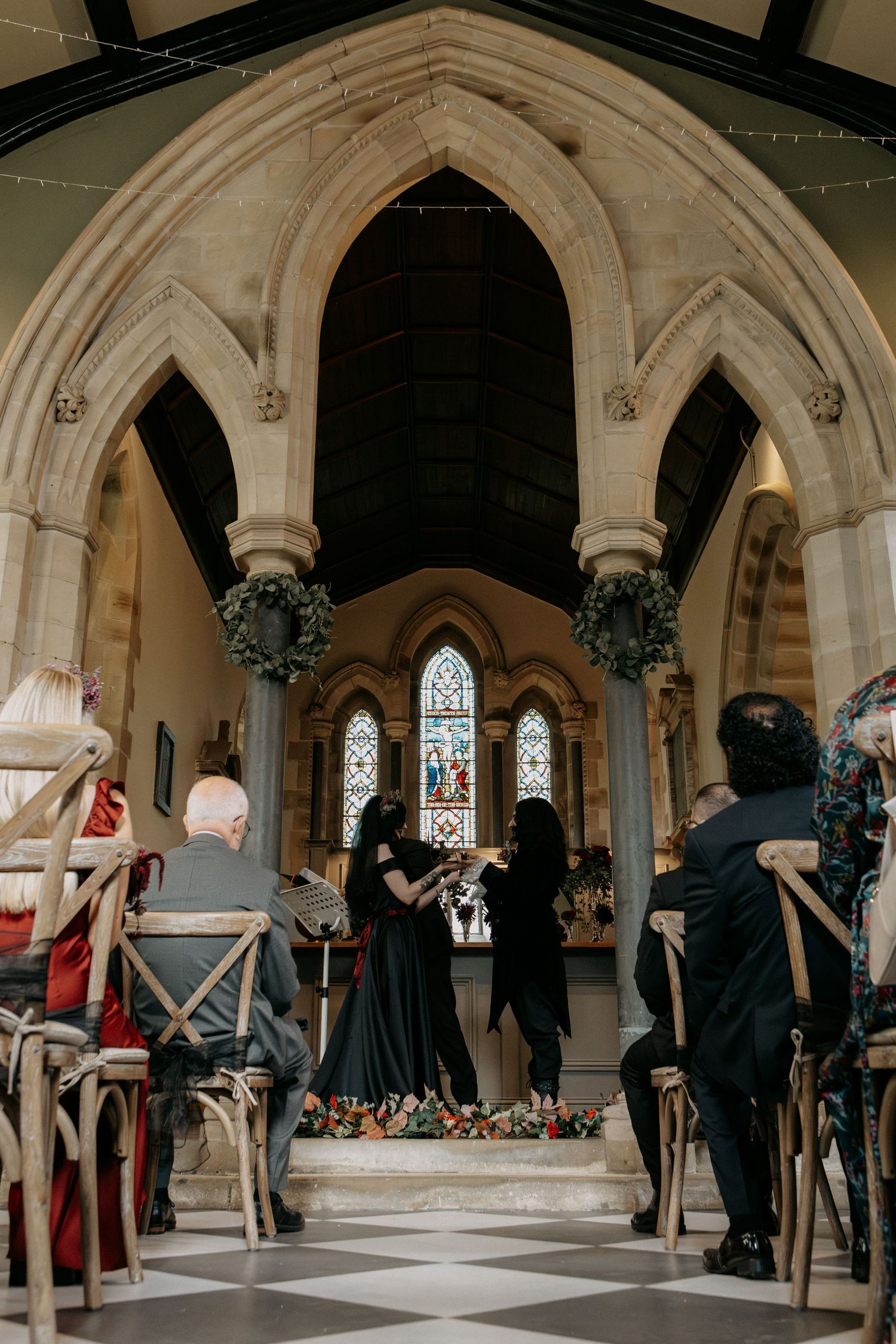
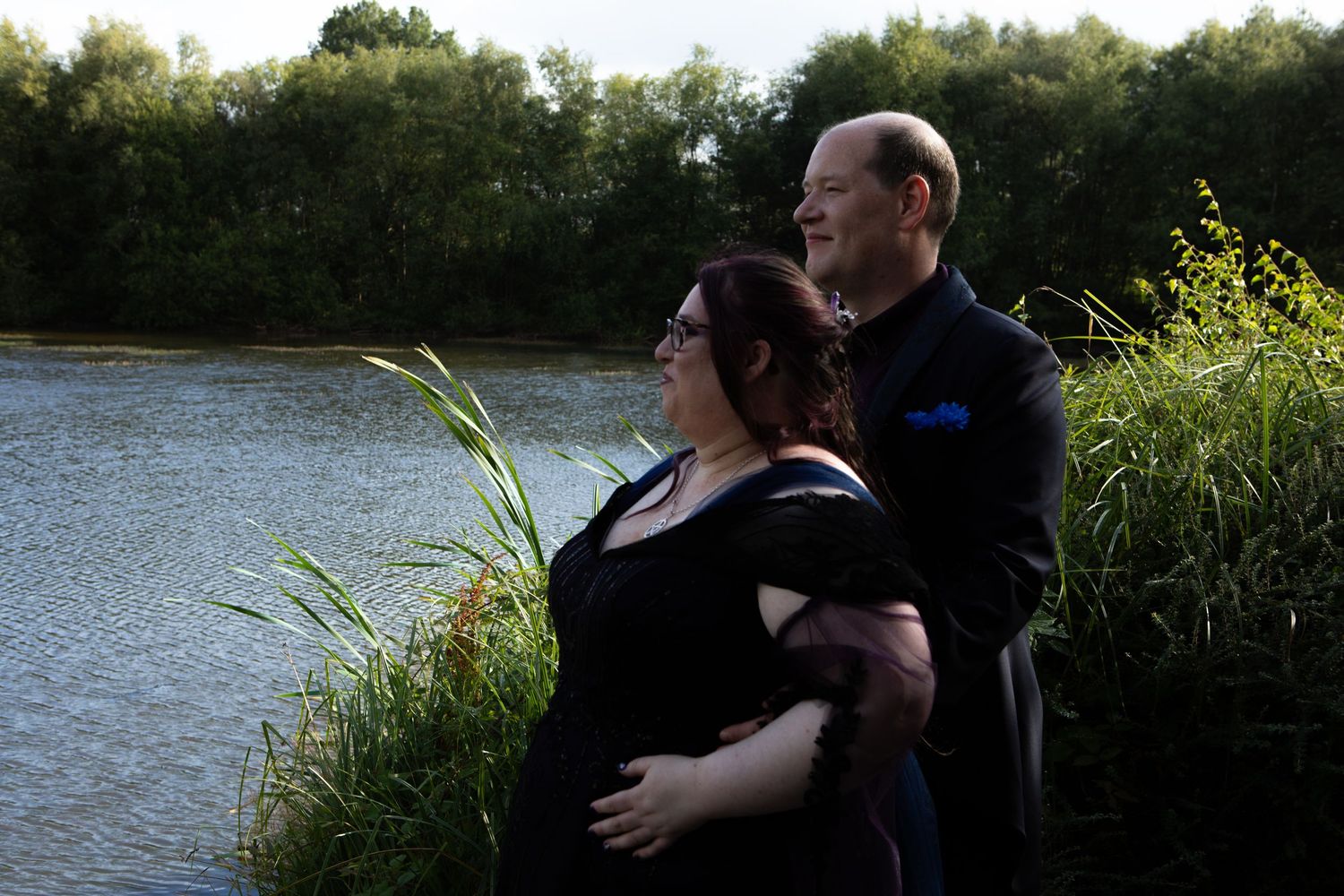
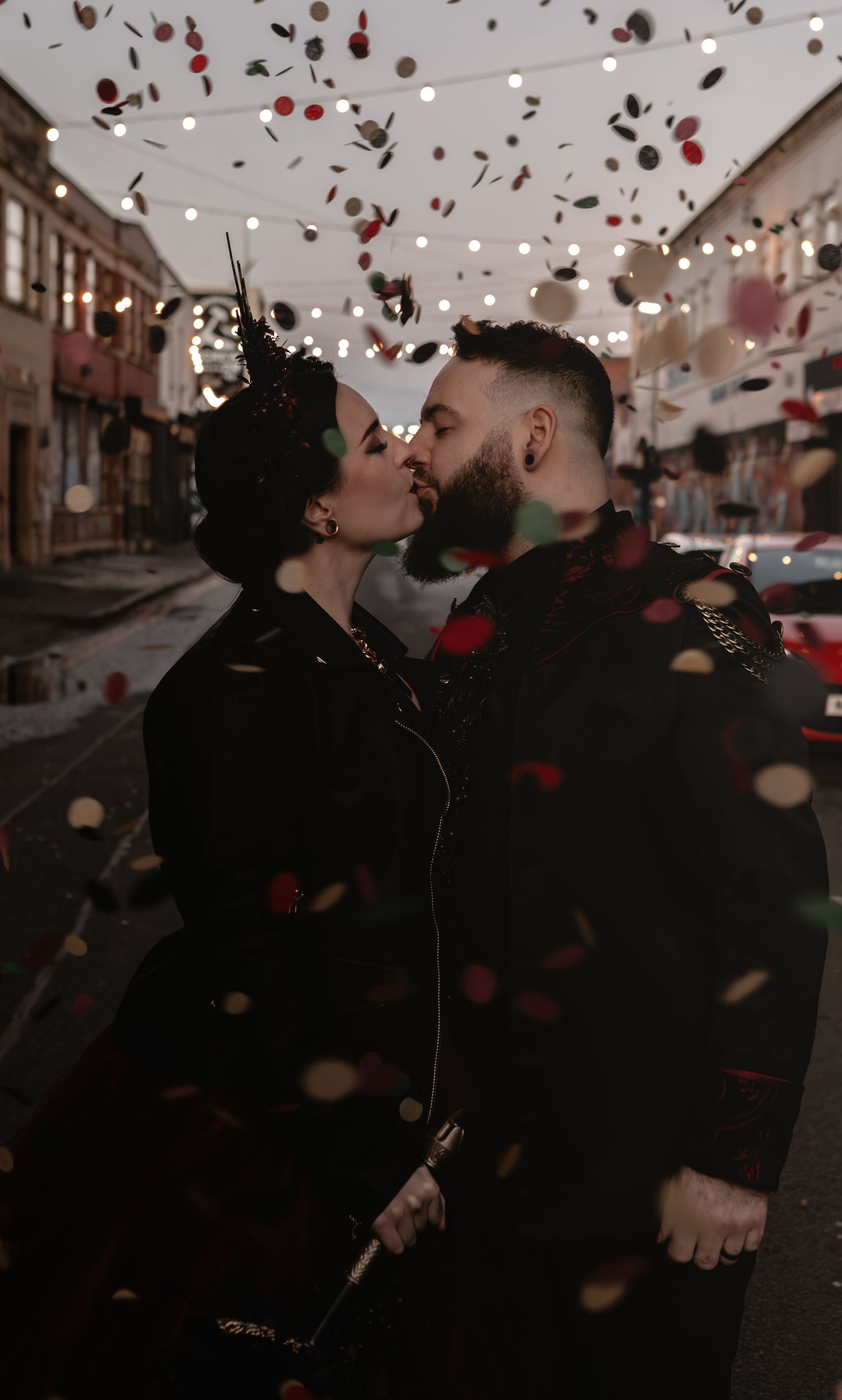
And I’m guessing if you’re here, what you’re after is dark, moody, romantic and real. You want a wedding that feels like you, authentically, not something plucked off of Pinterest, not a day full of traditions that don't fit.
Picking the right suppliers isn’t just about ticking boxes or sticking to a budget. It’s about finding people who see you, respect your energy, and help create something deeply personal, not performative.
What Matters Most
Before you start reaching out, start defining your foundation of the day
Core values & priorities
Think: inclusivity, authenticity, sustainability, emotional safety, accessibility. What matters to you the most? For example, if sensory overload is hard, maybe lighting and sound should be low priority or tightly controlled.
Your style + none negotiables
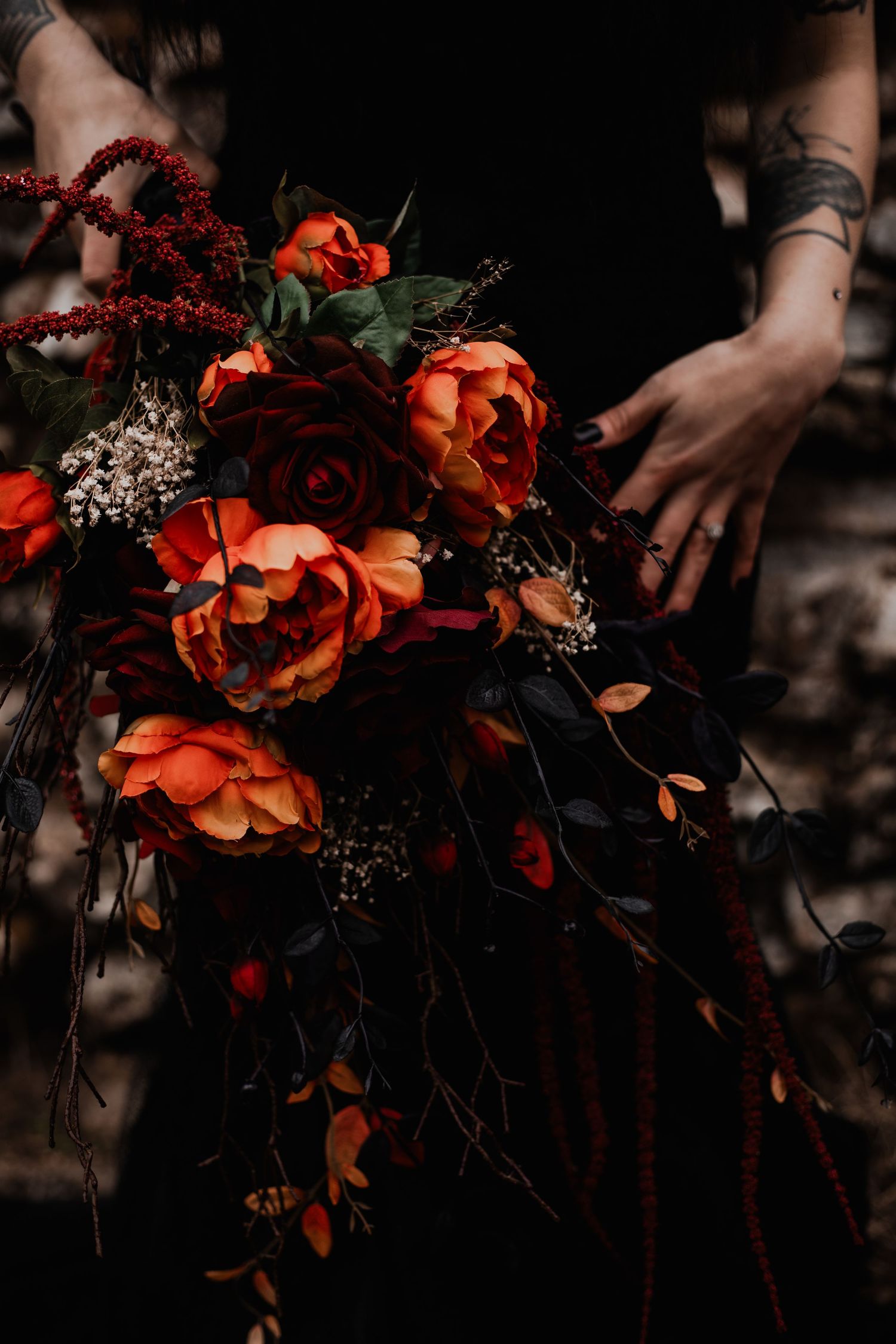
Mood? Colour palette? Gothic? Forest whispers? What do you hate? What do you love? E.g. you may want a florist who works with deep jewel tones, not pastels.
Experience & comfort
If you’re neurodivergent, chronically ill, LGBTQIA+, etc., working with suppliers who are aware, adaptive, kind, and communicative can make huge difference. Your energy on the day depends a lot on this.

Steps to Choosing Suppliers
STEP 01
Map your supplier categories
List everything you need: venue, photographer, florist, décor, music, food, etc. Prioritise which ones matter most (for control, vibe, visibility).
Why it helps? It helps to stop overwhelm; and lets you focus your energy on where it counts the most.
STEP 02
Gather inspiration & examples
Create a “mood board” (Pinterest / Instagram / your own references). Collect what feels right.
Why it helps? Makes it easier to communicate to suppliers what you want and what you don’t.
STEP 03
Seek referrals from people you trust
This could be reviews from other couples, vendors you admire, your venue or a photographers whose style you love.
Why it helps? The “vendor network” often knows who delivers both vision and kindness and will give you the best referrals for you.
Do your homework
STEP 04
- Browse portfolios & social media.
- Read reviews (especially from couples whose values align with yours).
- Ask for full weddings, not just highlight reels.
Why it helps? Gives you sense of consistency not just spotlight moments.
Talk to them
STEP 05
Chat with potential suppliers via phone or video. See how they respond to your questions, tone, concerns. Ask about accessibility, how they handle mistakes, inclusivity.
Why it helps? Personality & communication = fewer surprises, less friction during the wedding.
STEP 06
Be open but clear about budgets
Give realistic numbers. A cheaper florist might mean fewer blooms, different flower types, or simpler designs. Transparent conversations can save headaches in the long run, also vendors appreciate the transparency
Why it helps? Helps you avoid feeling “stung” later and your upfront about your budgeting. Some vendors have set prices but can sometimes take necessities out of packages if needed.
STEP 07
Contract & terms
Get details in writing: what’s included, when you pay, cancellation policies, what happens in emergencies (weather, illness, etc.)
Why it helps? Safeguards you; gives clarity when the nerves kick in.
Things People Often Forget
Emotional labour & energy
Planning, coordinating, and being “on” all day takes mental load. Suppliers who are calm, communicative and flexible (especially with sensory things, mobility, departures from “traditional”) make everything smoother.
Day of compatibility
Even if someone’s great on paper, personality clash can be real. If your photographer treats you like a project rather than a person, the photos will show it.
Accessibility & inclusivity included, not afterthoughts
Ask explicitly: Are they wheelchair friendly? Are they LGBTQIA+ friendly? Do they have experience with neurodivergent clients? Do they understand you might need more breaks, different timelines, quieter moments?
Sustainability & ethics (if you care)
Locally sourced flowers, zero plastic, fair pay to vendors, eco-friendly materials. These values often align with alternative weddings and add depth.
Scalable backup plans
What happens if your florist falls ill; your décor shipment is delayed; or your artist can’t make it? Good suppliers often have backups or alternative solutions. Make sure you are talking to your vendors about these plans and see what they have in place.
Questions Worth Asking Suppliers
- Can you show me a full wedding (not just styled shoots)?
- How do you work with couples who need adjustments (mobility, sensory, neurodivergence)?
- What’s your cancellation and emergency policy?
- How do you communicate during the planning stage?
- How many weddings do you take in a season/weekend?
Red flags to keep an eye out for
- Only sharing “best of” photos, no full weddings.
- No contract.
- Unclear communication or delayed responses.
- Avoiding questions about inclusivity or accessibility.
- Pushing extras without listening to you.
Final Thoughts
Choosing wedding suppliers isn’t about building a styled shoot for Instagram. It’s about crafting a day where you feel safe, seen, and celebrated. Surround yourself with people who respect your vision, value your energy, and understand that your love story doesn’t have to look like anyone else’s.
That way, when the day comes, you’ll be able to let go, breathe, and actually live it, knowing your team has your back.