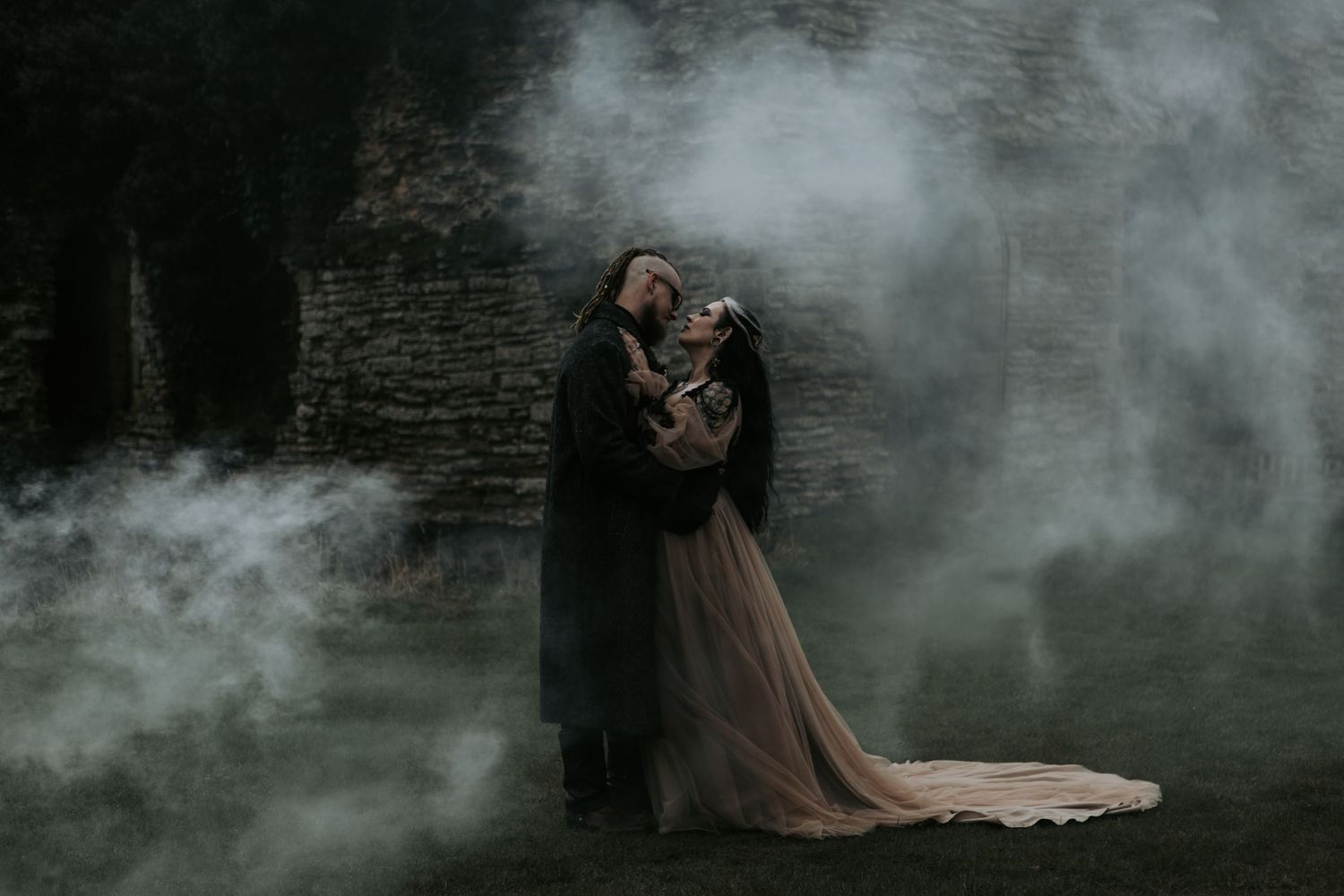
This Isn’t Dramatic, It’s Basic Respect
Consent in wedding photography shouldn’t be revolutionary. It should be standard.
Yet many of couples are surprised when I ask before adjusting clothing, fixing hair, or guiding physical contact.
That tells me it isn’t as common as it should be.
This isn’t about politics. It’s about autonomy.
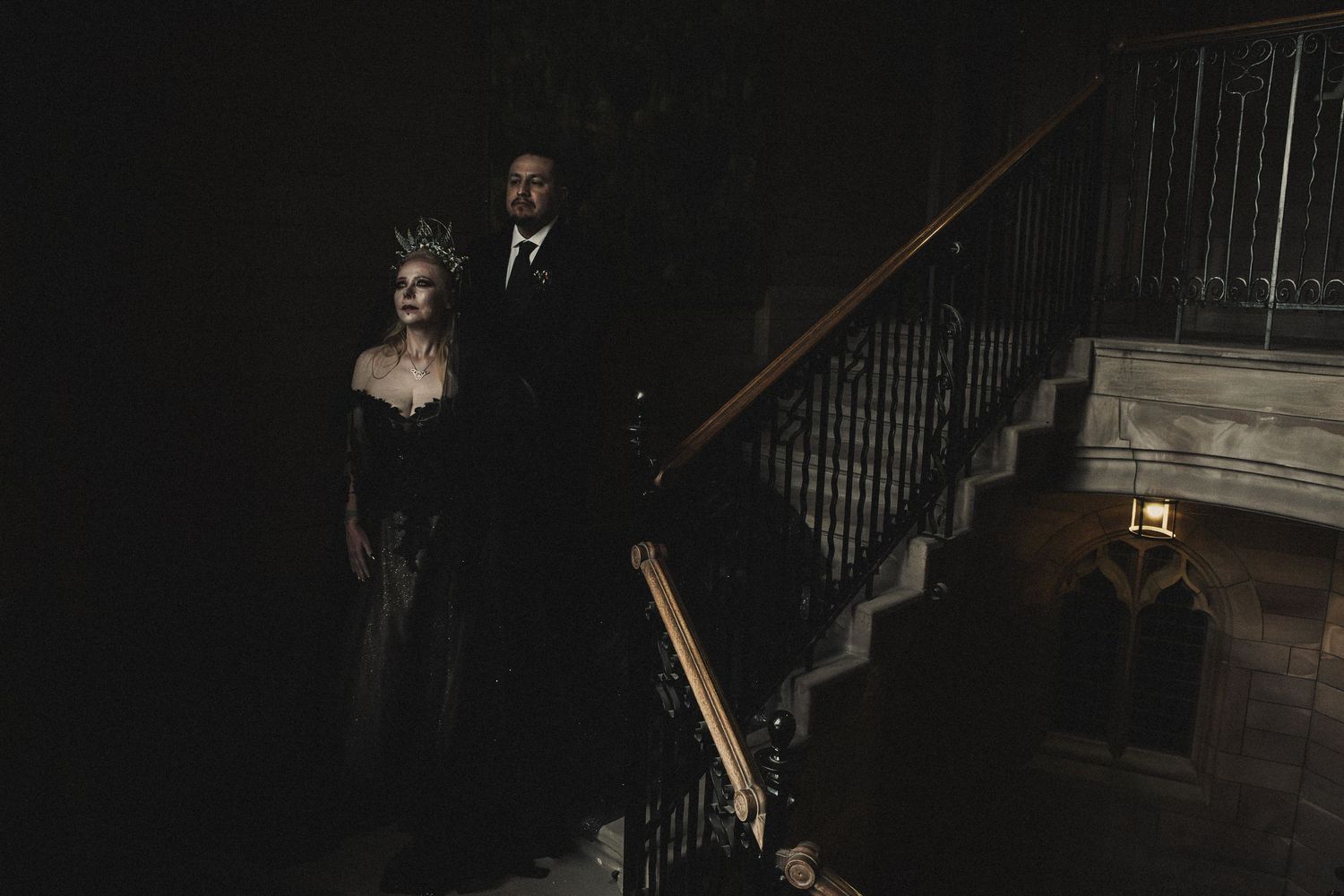
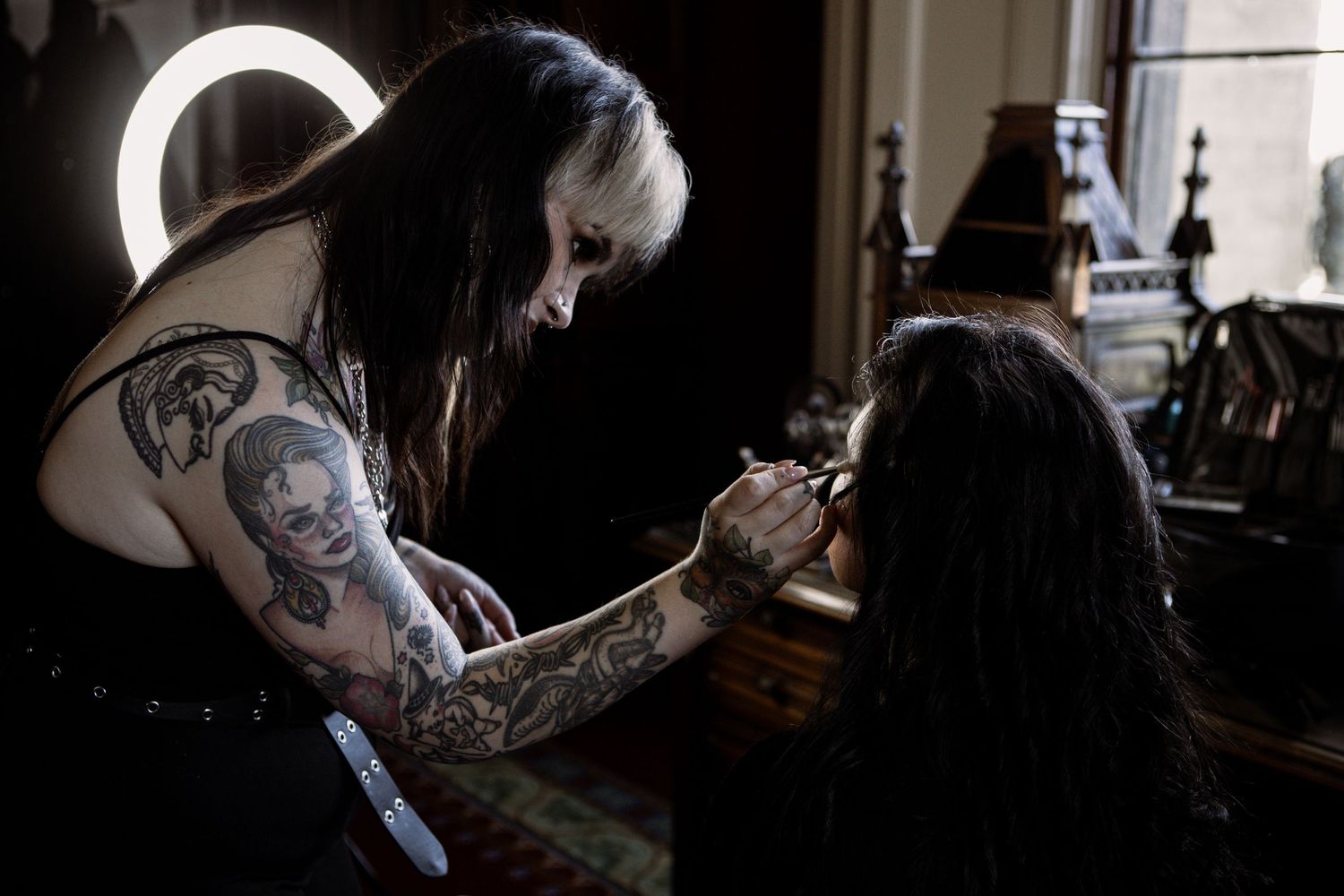
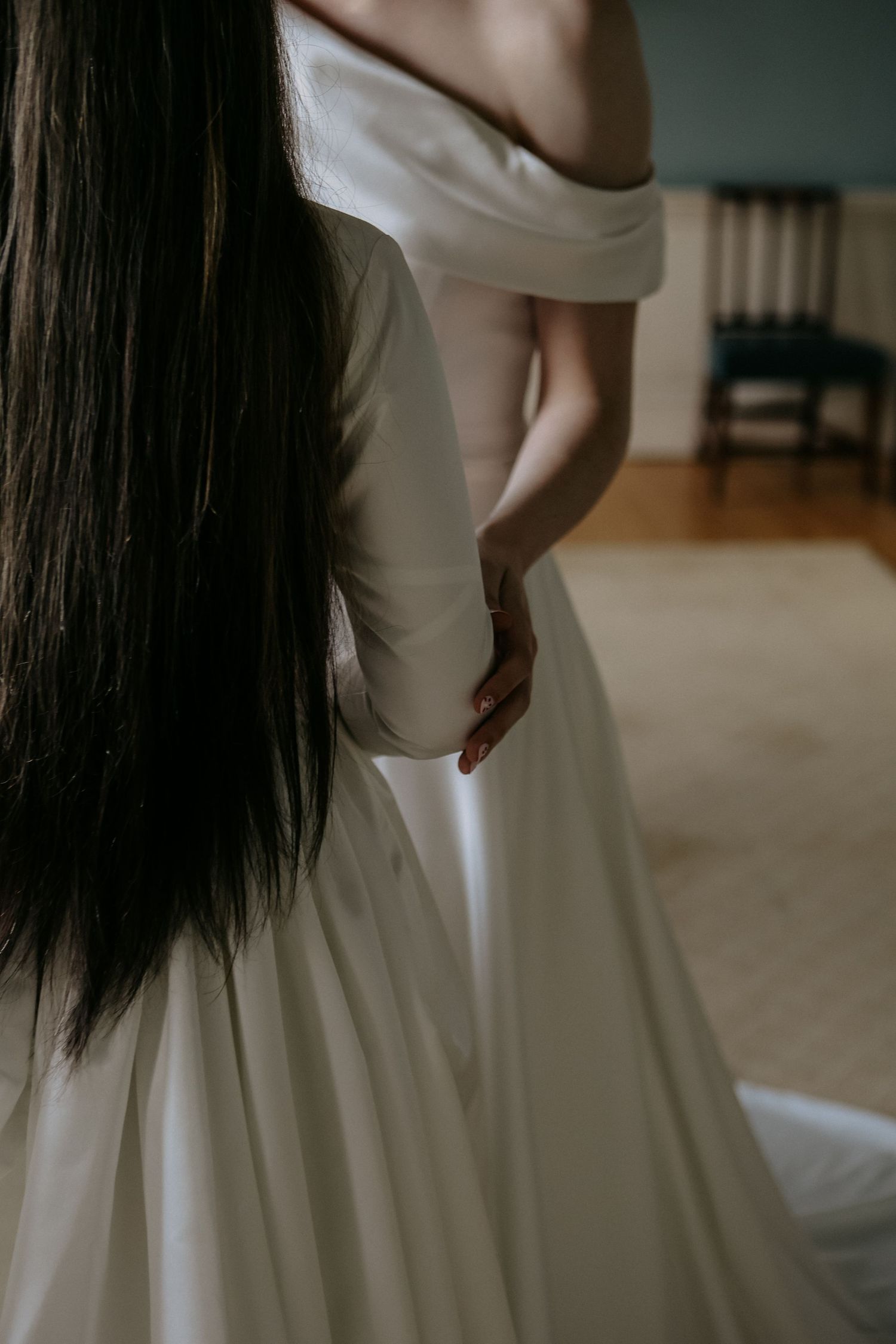
What Consent Looks Like on a Wedding Day
Consent in photography isn’t just about big moments. It’s in the small ones. It looks like:
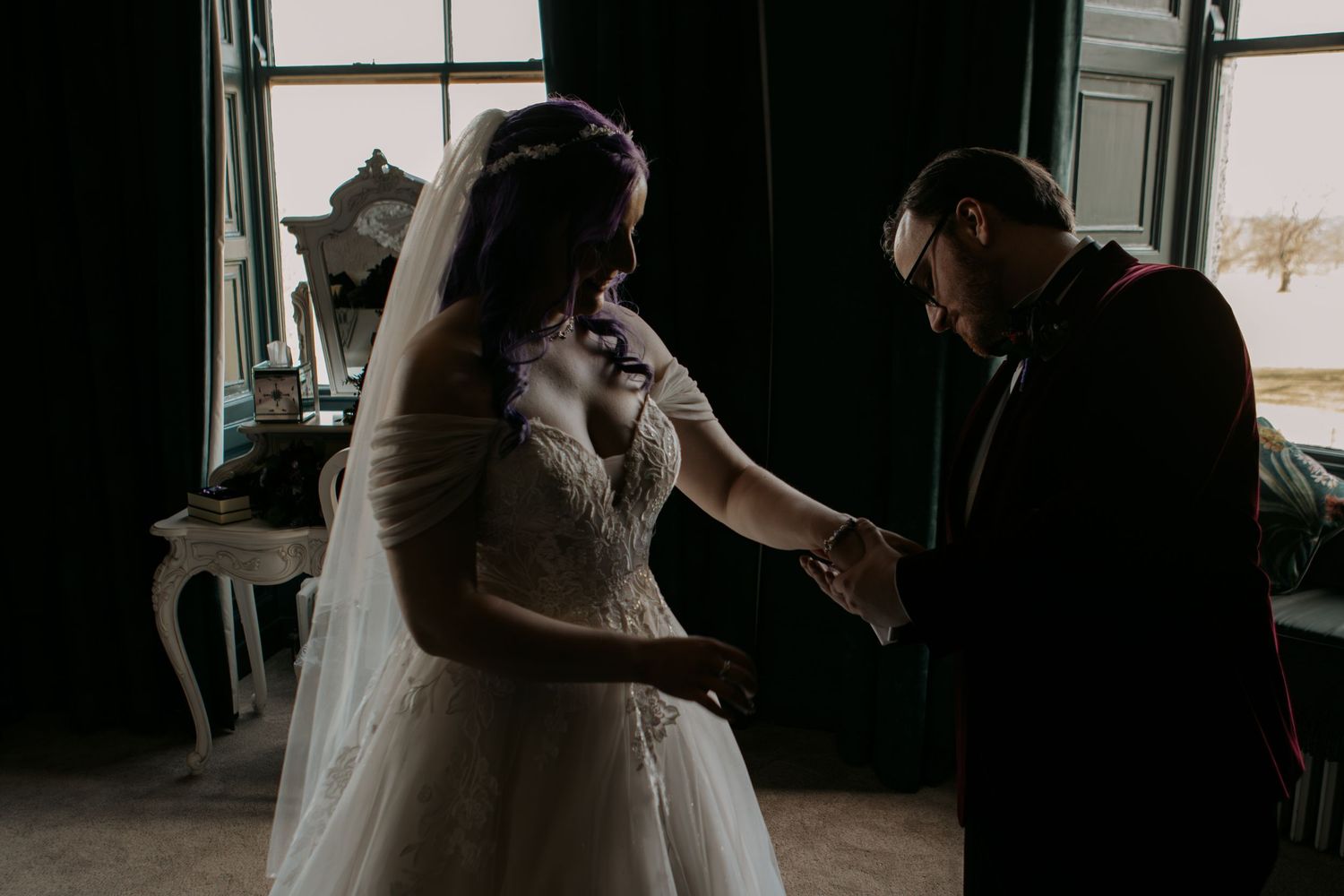
- Asking before I move your hand or shoulder
- Checking before straightening clothing
- Not assuming you’re comfortable with physical prompts
- Giving direction verbally instead of physically guiding
- Reading body language and adjusting
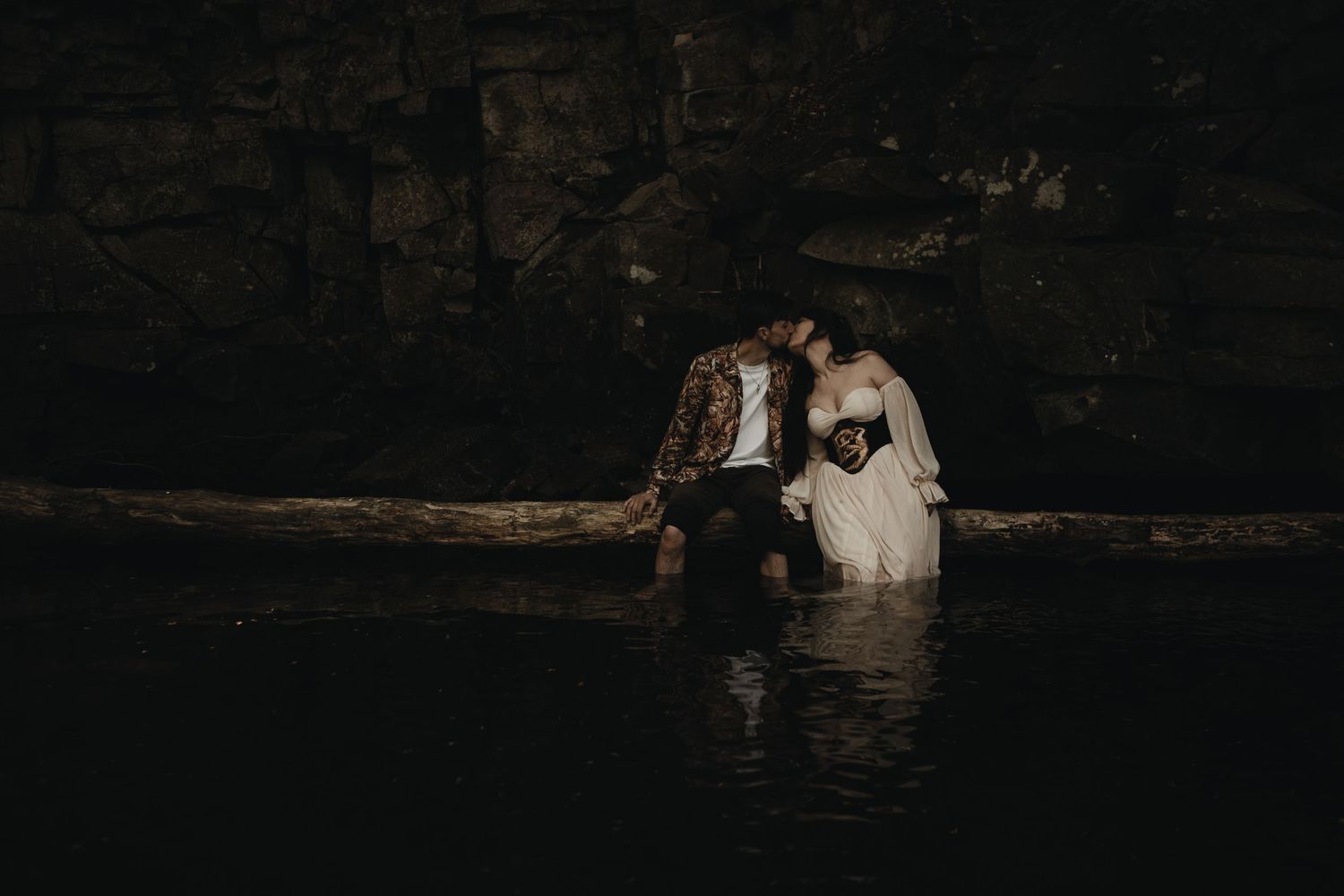
It also means not forcing poses that rely on intimacy if that isn’t your dynamic. Not everyone wants dipping. Not everyone wants foreheads pressed together. Not everyone wants to be picked up. And no one should feel pressured into it for the sake of “the shot.”
Why This Matters More Than People Realise
Weddings are already high sensory, high emotion days. You’re being watched. Hugged. Spoken to. Pulled in different directions. The last thing you need is someone physically adjusting you without warning. For neurodivergent couples especially, unexpected touch can be jarring. Even overwhelming. Consent led photography lowers that baseline stress. It allows you to stay present instead of bracing.
Consent Isn’t Just Physical
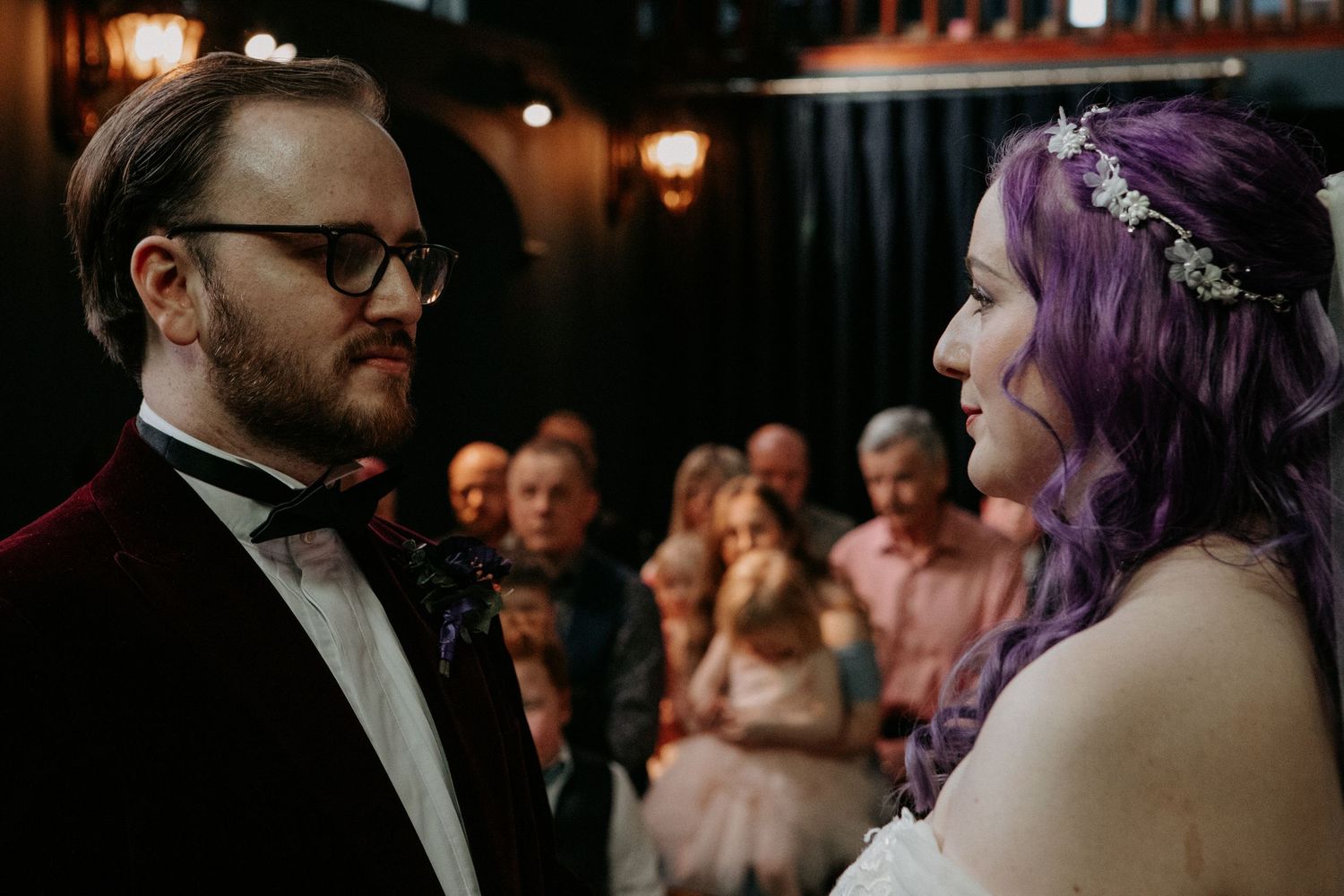
When people hear the word consent, they usually think about touch. About whether someone adjusts your dress, moves your arm, fixes your hair without asking. But in wedding photography, consent runs much deeper than that. It’s in the language used. It’s in not assuming titles, roles or dynamics. It’s in asking how you want to be introduced, how you refer to each other, whether certain traditions feel meaningful or completely irrelevant. Not everyone connects to the structure of a “typical” wedding day and it’s not my job to push you back into it for the sake of familiarity.
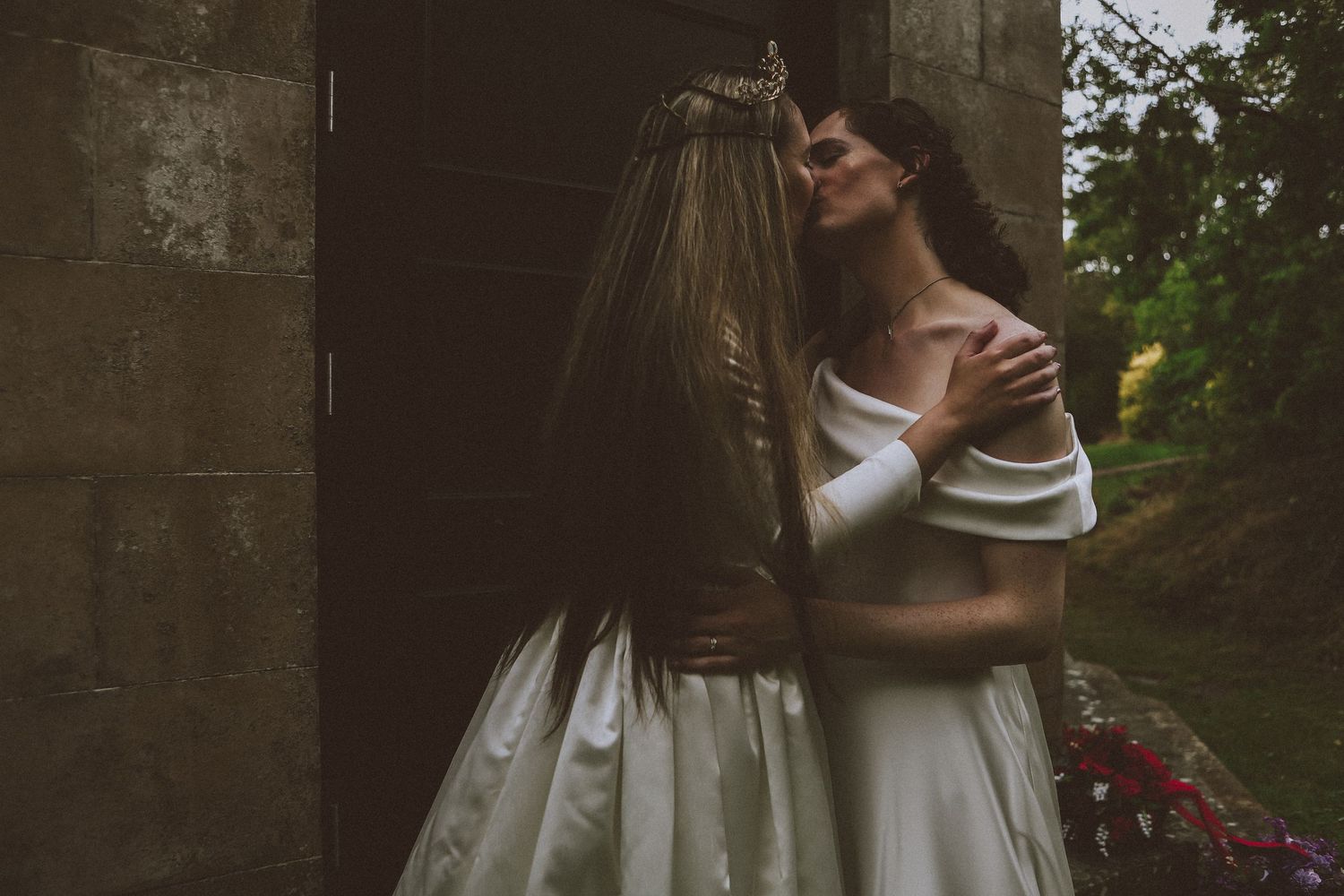
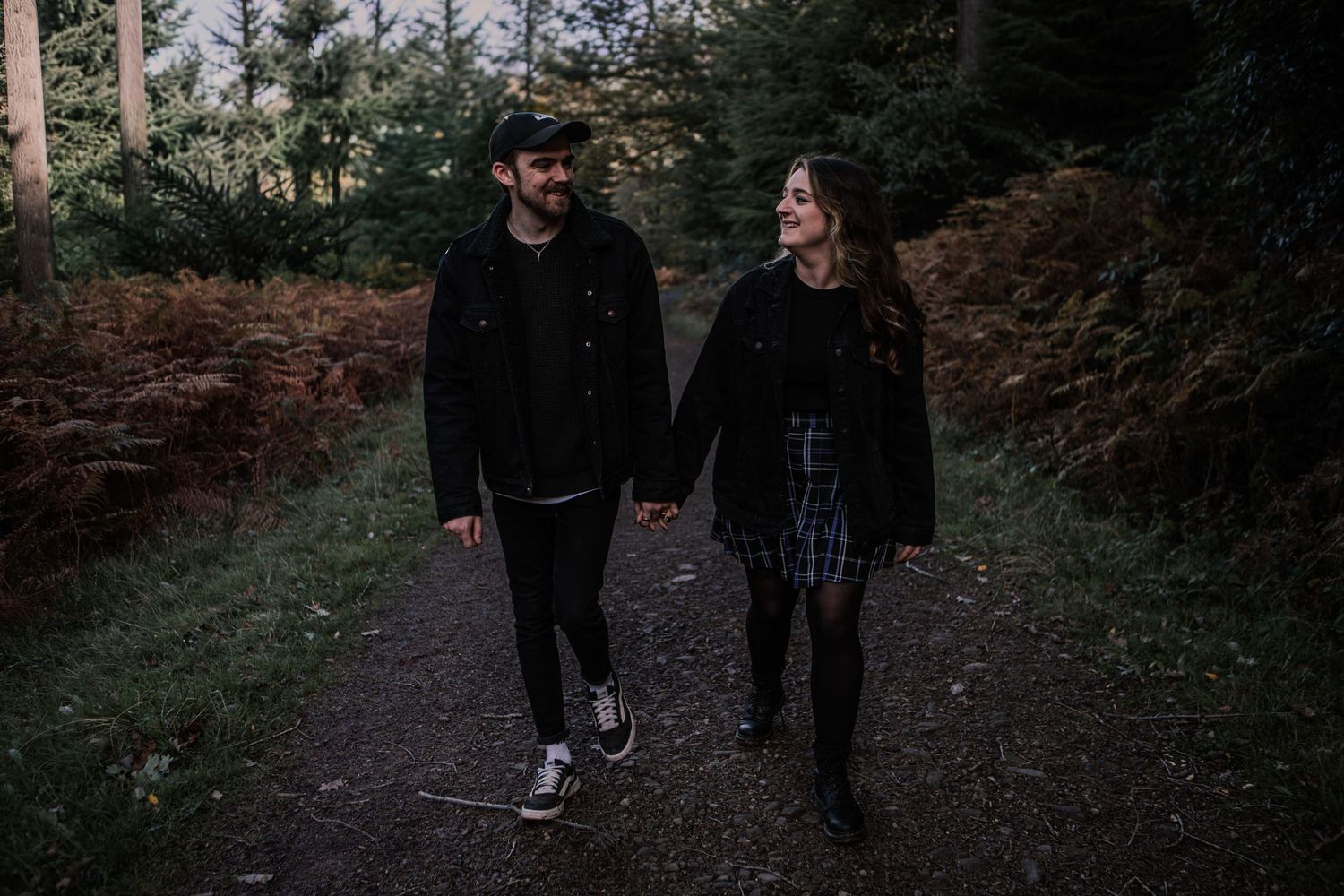
Consent also shows up in what isn’t staged. Not every couple wants forehead to forehead poses. Not everyone is comfortable with public displays of affection. Not everyone wants to be dipped, lifted or prompted into something that looks romantic but feels unnatural. A photograph shouldn’t require you to override your own comfort.
Family dynamics aren’t always simple. Some relationships are strained. Some relatives are present out of obligation rather than closeness. Some moments are joyful but private. If you don’t want a camera inches from your face during a speech, that matters. If you’d rather certain interactions not be heavily documented, that matters too.
Weddings can bring up a lot. Emotionally, socially, culturally. Consent-led photography means paying attention to that landscape instead of bulldozing through it for the sake of coverage.
It means adapting.
It means understanding that access to someone’s story is something you’re trusted with — not entitled to.
And that trust should always be handled carefully.
The Difference It Makes
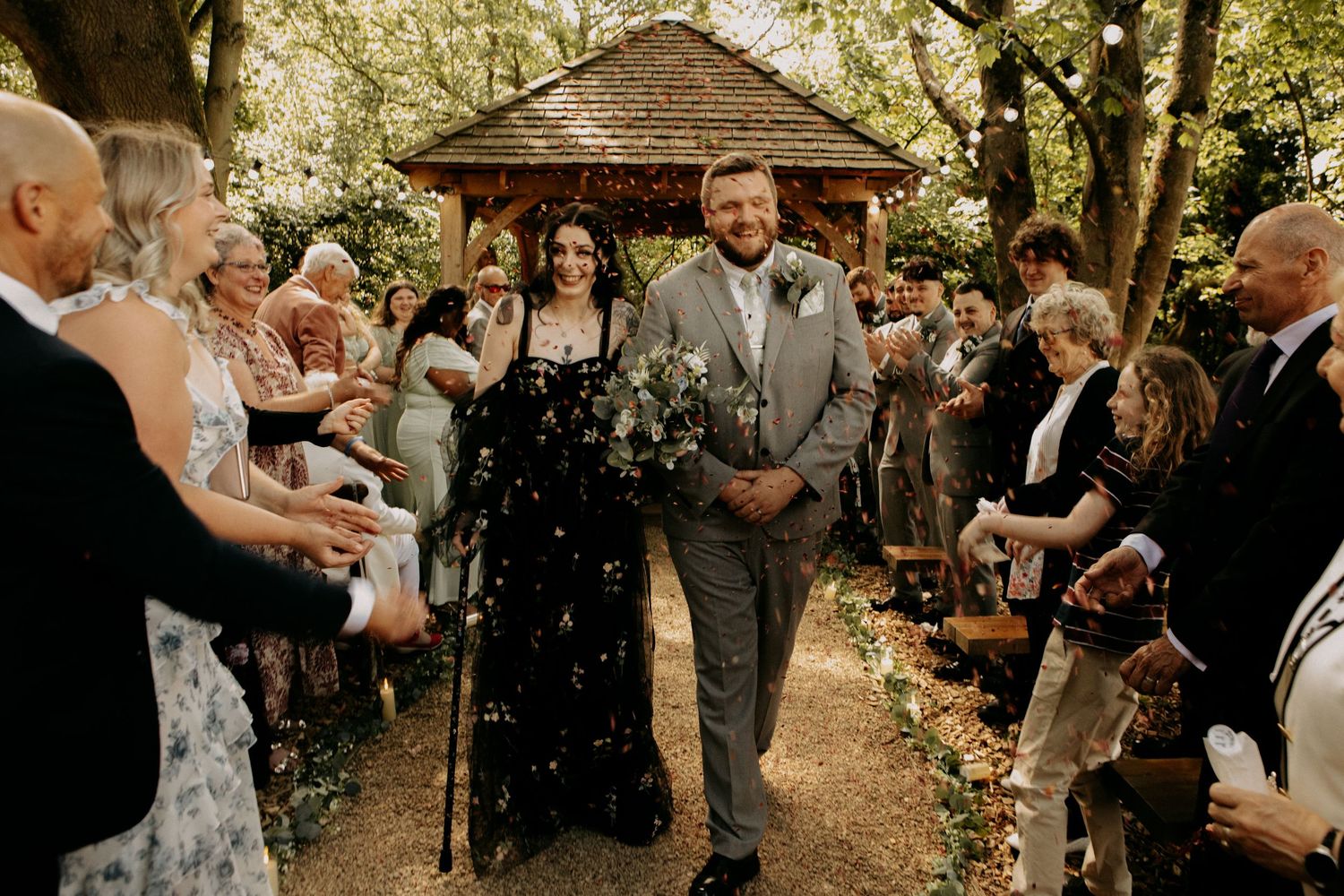
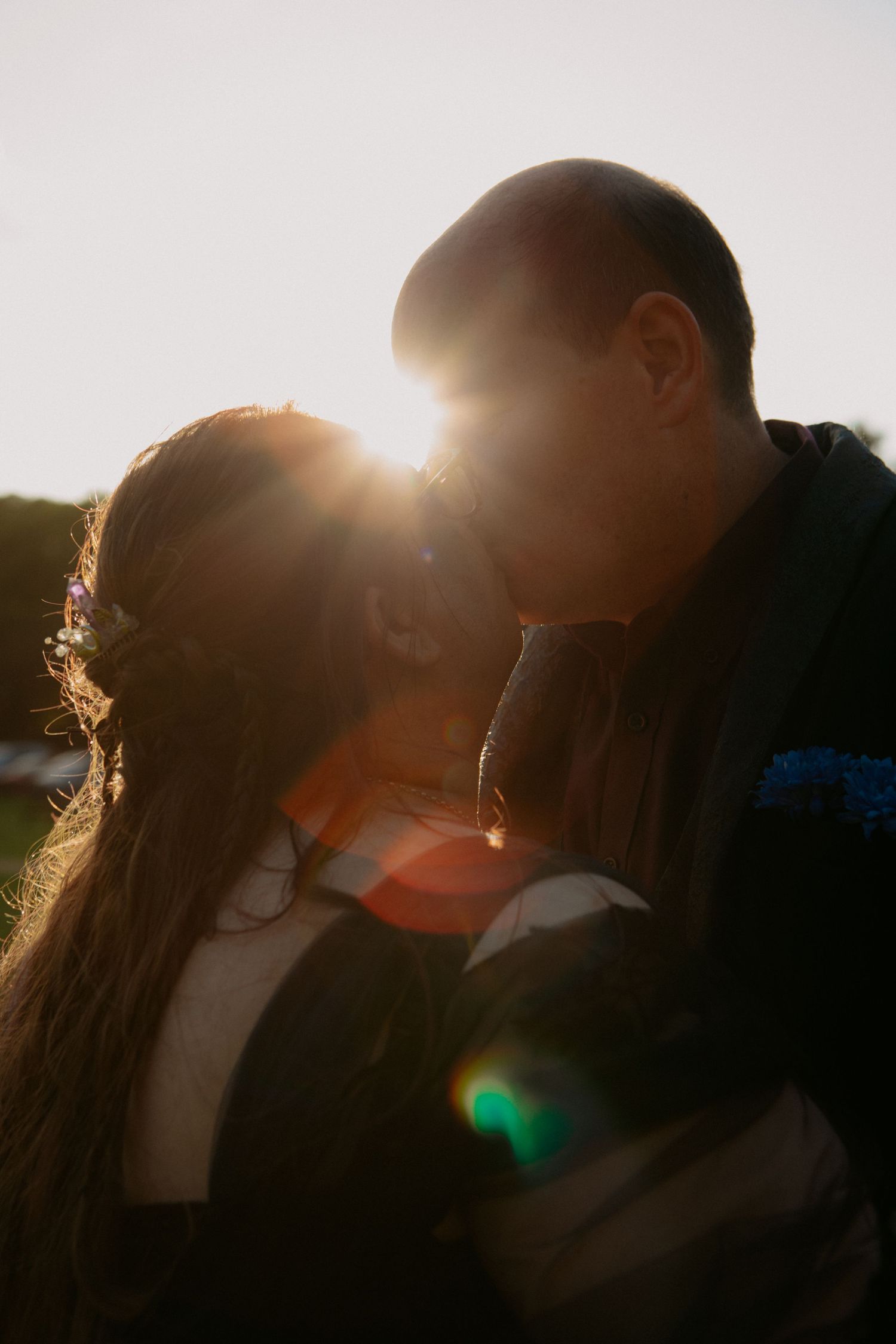
When someone feels safe, you can see it before they say anything.
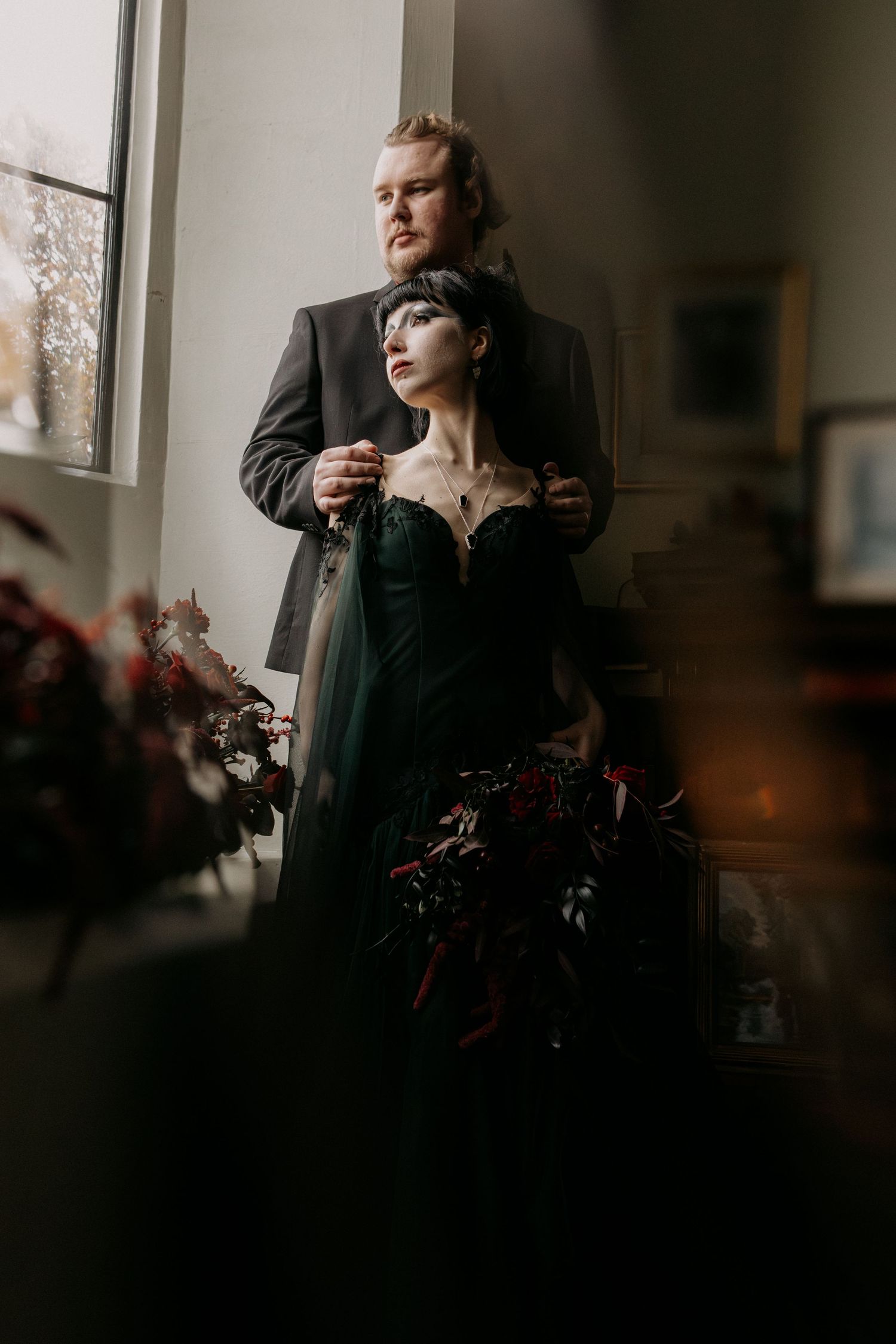
Their shoulders drop slightly. Their jaw unclenches. Their hands stop hovering awkwardly and settle into something natural. The performance falls away because there’s nothing to brace against.
That shift is subtle, but it changes everything.
You don’t get stiffness or polite compliance. You don’t get smiles that look technically correct but disconnected. You get presence. You get people who are actually there in their own day, not managing it for the camera.
And presence photographs differently. It has depth. It has honesty. It lasts.
That’s why consent in wedding photography isn’t an optional extra or a selling point. It’s foundational. It’s part of being genuinely people-first.
You deserve to feel in control of your own body, your own space, and your own story — especially on a day that carries so much emotional weight. A wedding isn’t a styled shoot. It’s not content. It’s your lived experience.
Photography shouldn’t override that experience for the sake of an image.
It should protect it.
Ready to chat?
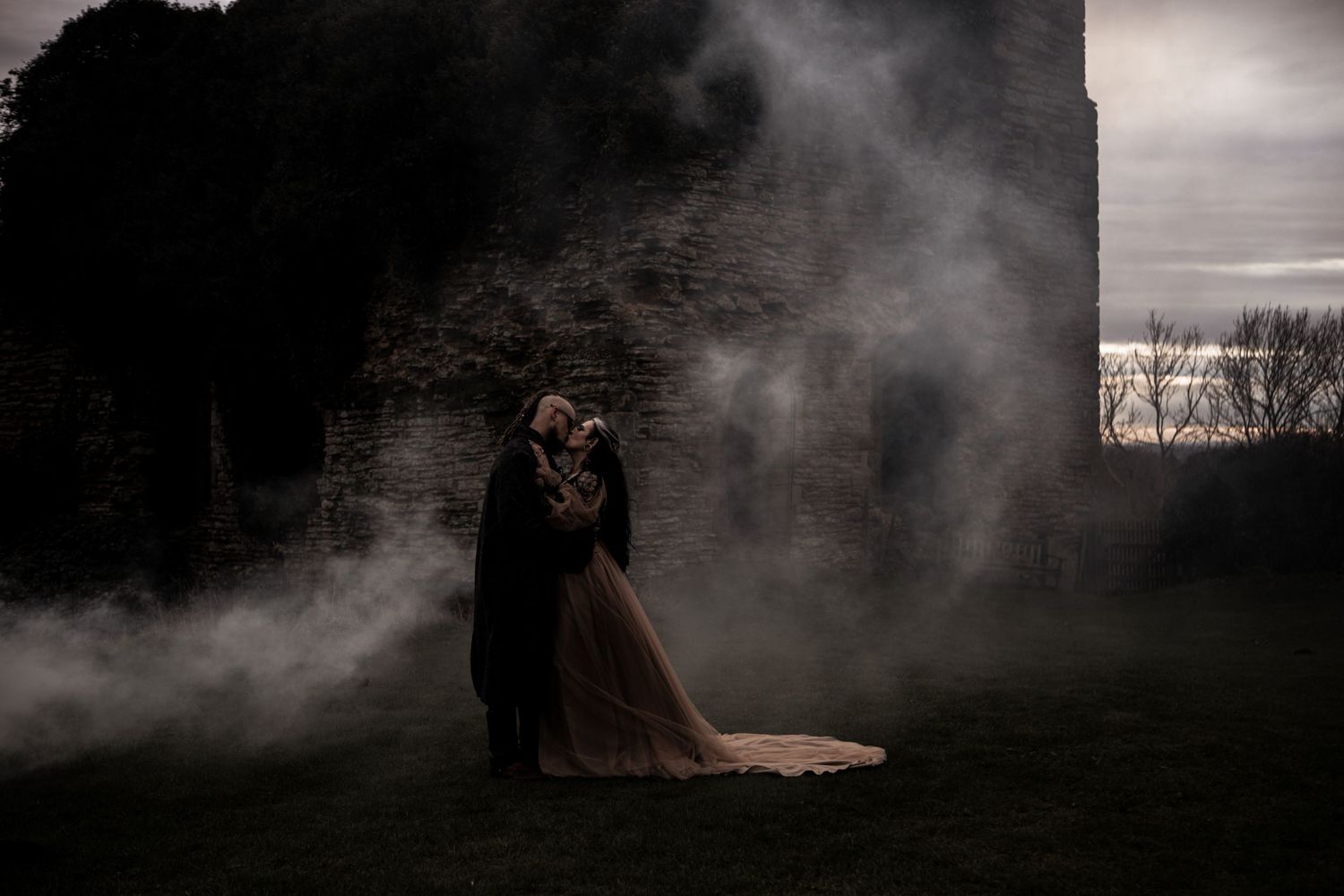
If you’re looking for an alternative wedding photographer who gets what you want and delivers photos you can be proud of, I’d love to hear from you.
Fill out the contact form, send me an email, or let’s chat over a coffee if you’re nearby. I’m here to help make your day feel effortless, so you can focus on what matters.