(And why it’s not just turning the brightness down)
If you’ve been looking at alternative wedding photography in the UK, you’ve probably seen the phrase dark and moody everywhere. It’s on Pinterest. It’s in Instagram bios. It’s used to describe everything from candlelit gothic weddings to slightly warm-toned barns.
So let’s clear it up.
Because dark and moody isn’t a preset. It’s not underexposure. And it’s definitely not just “making everything brown.”
For me, it’s about atmosphere, emotion, and depth.
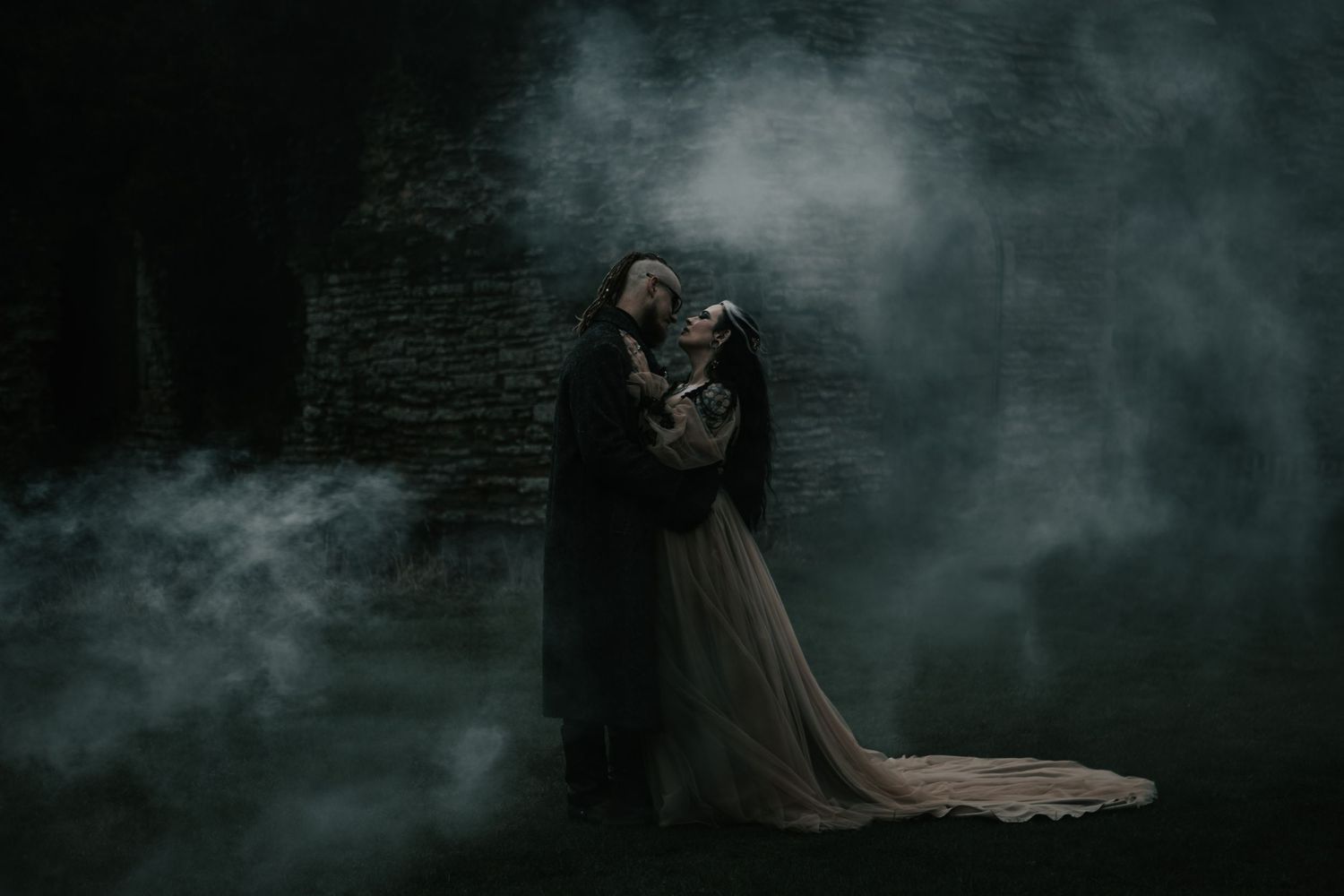
It’s About Light; Not Darkness
Here’s the most important piece of information people normally don’t realise: Dark and moody photography is led by lighting. Not by presets or by dragging the exposure down but understanding how light behaves in a space.
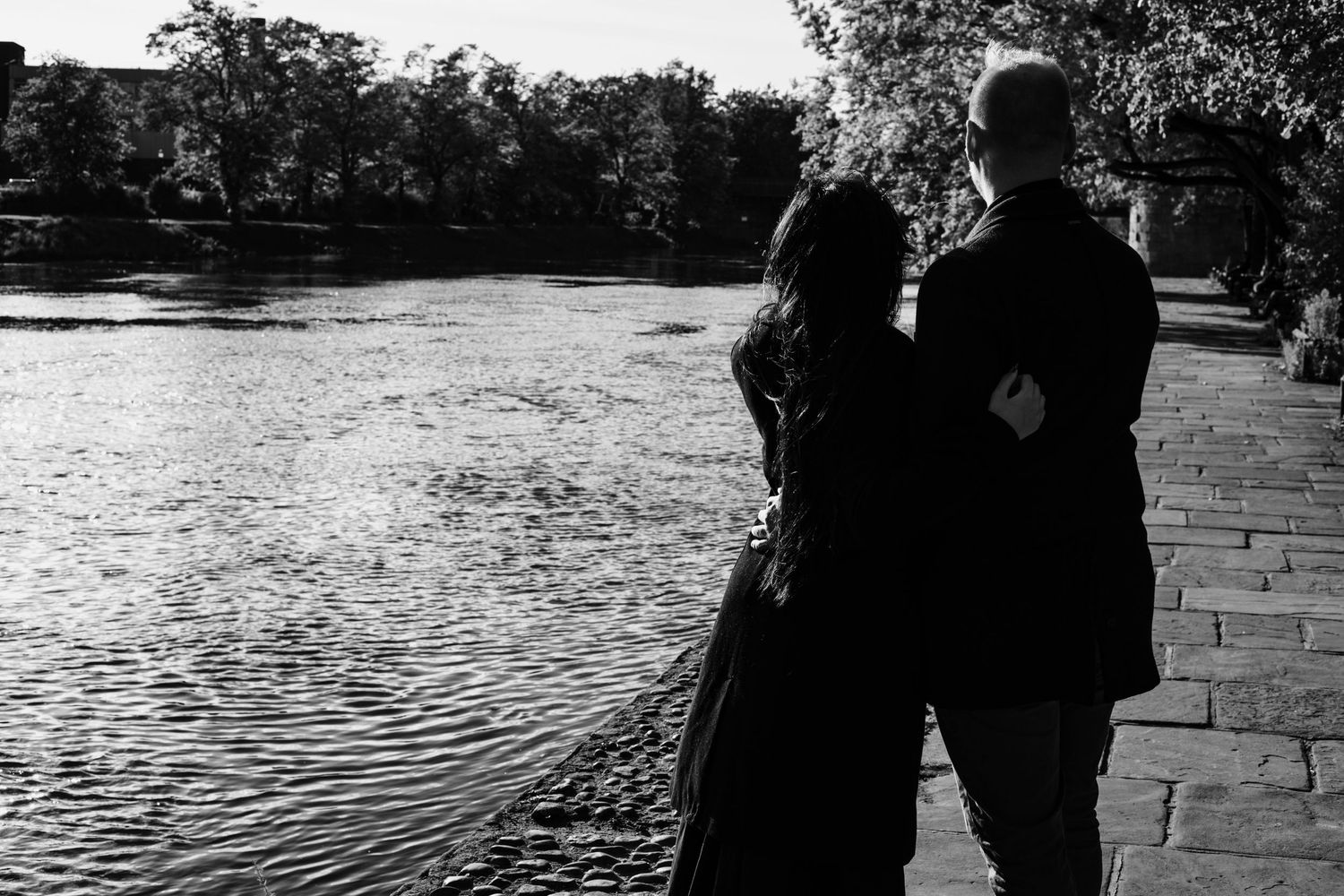
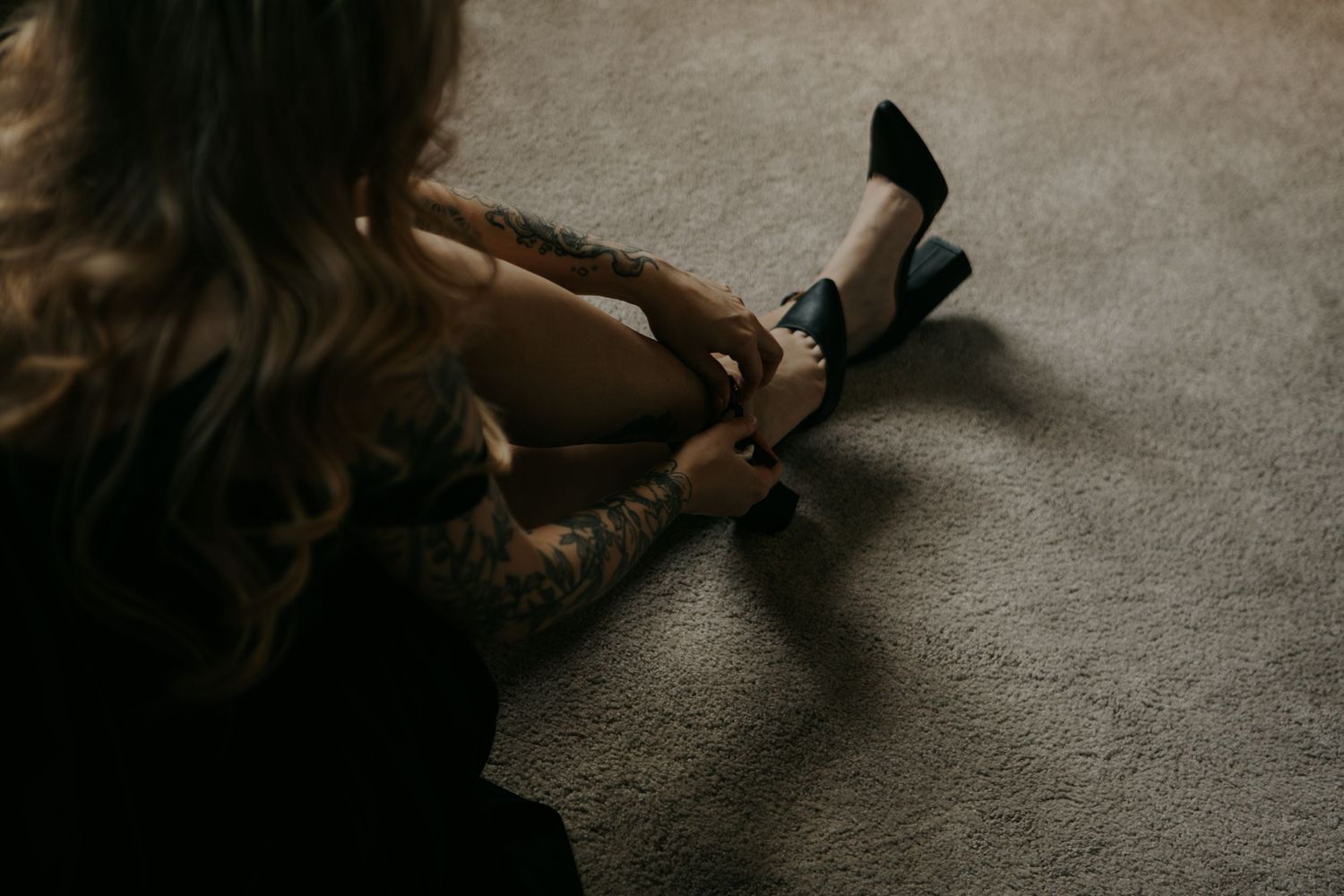
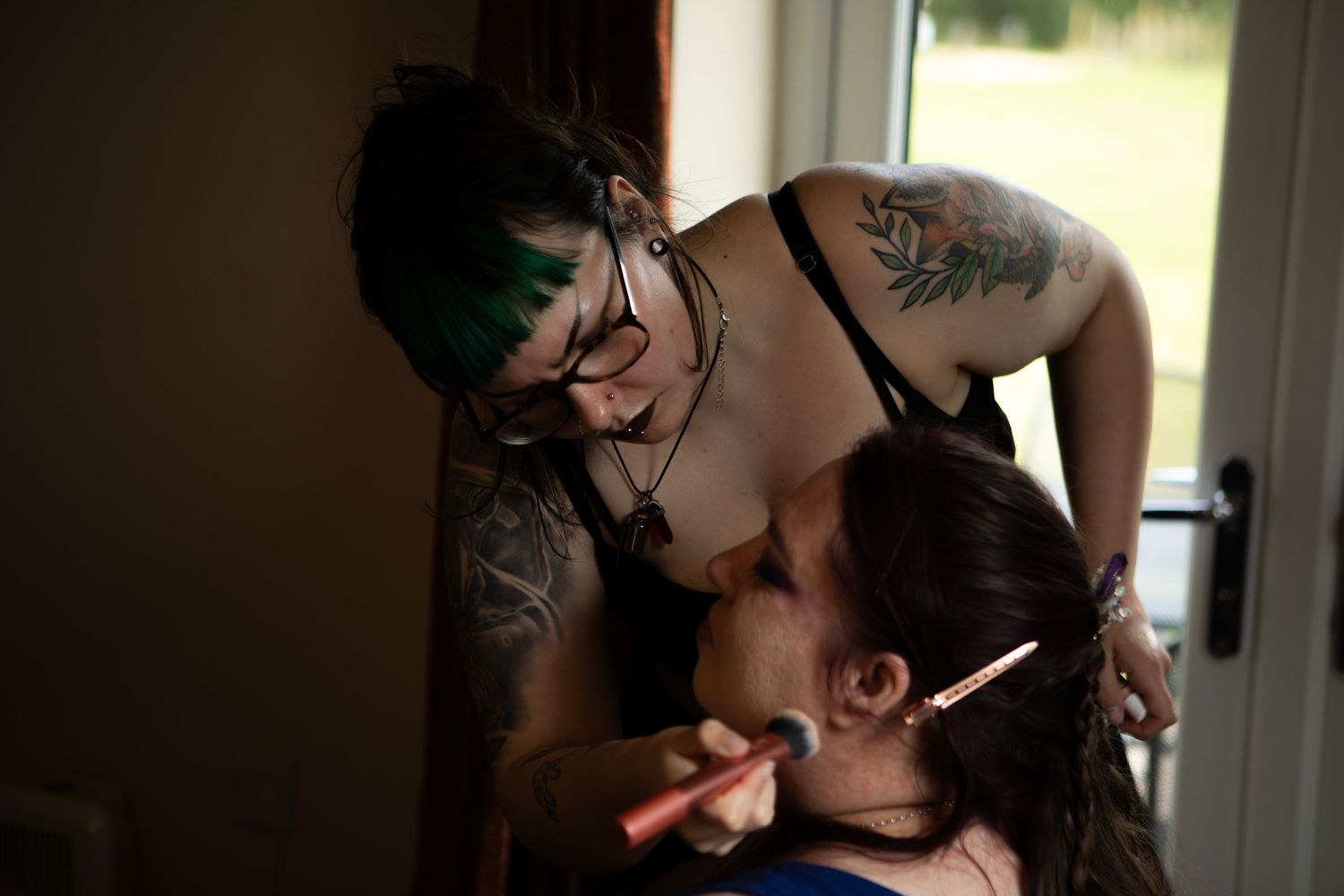
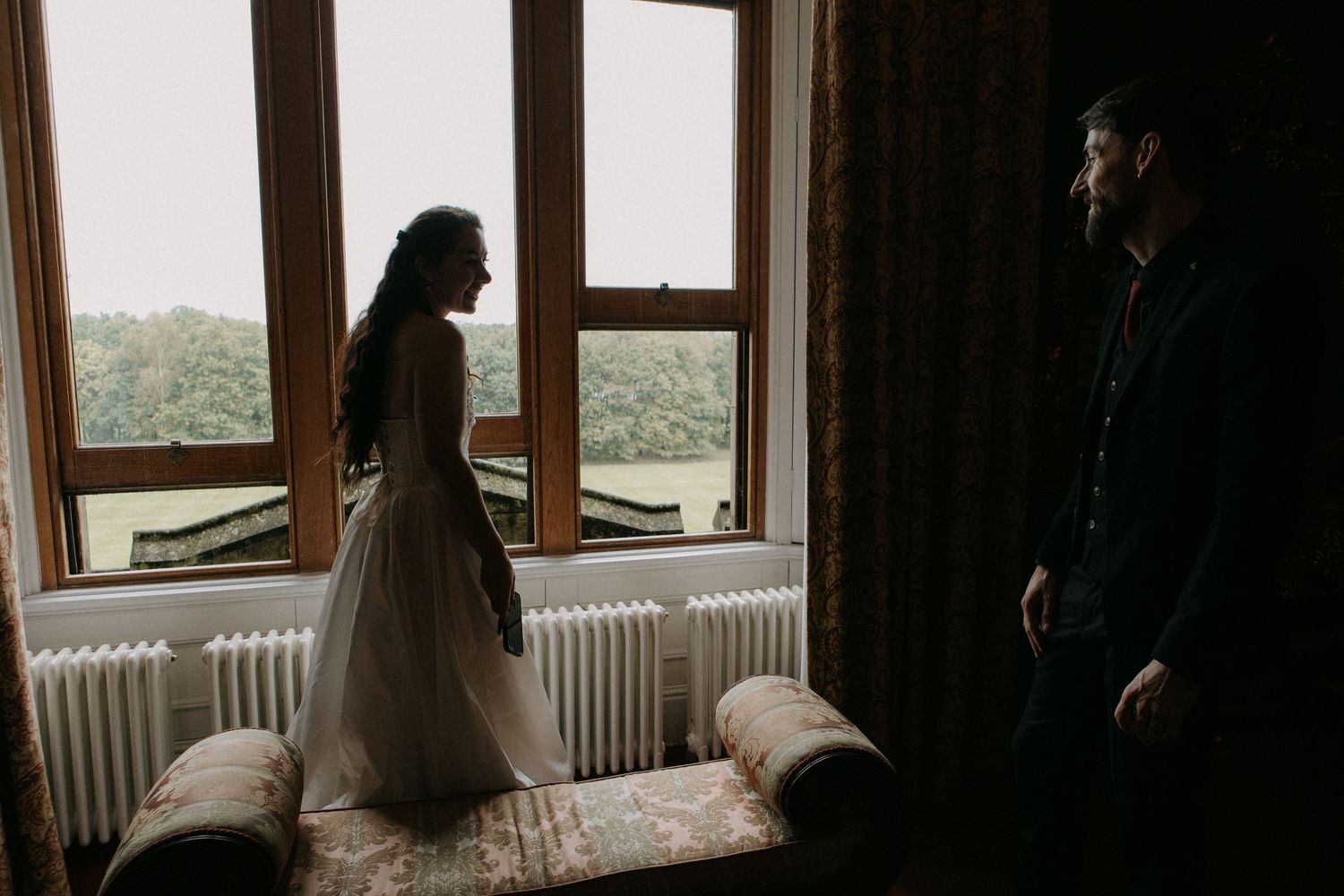
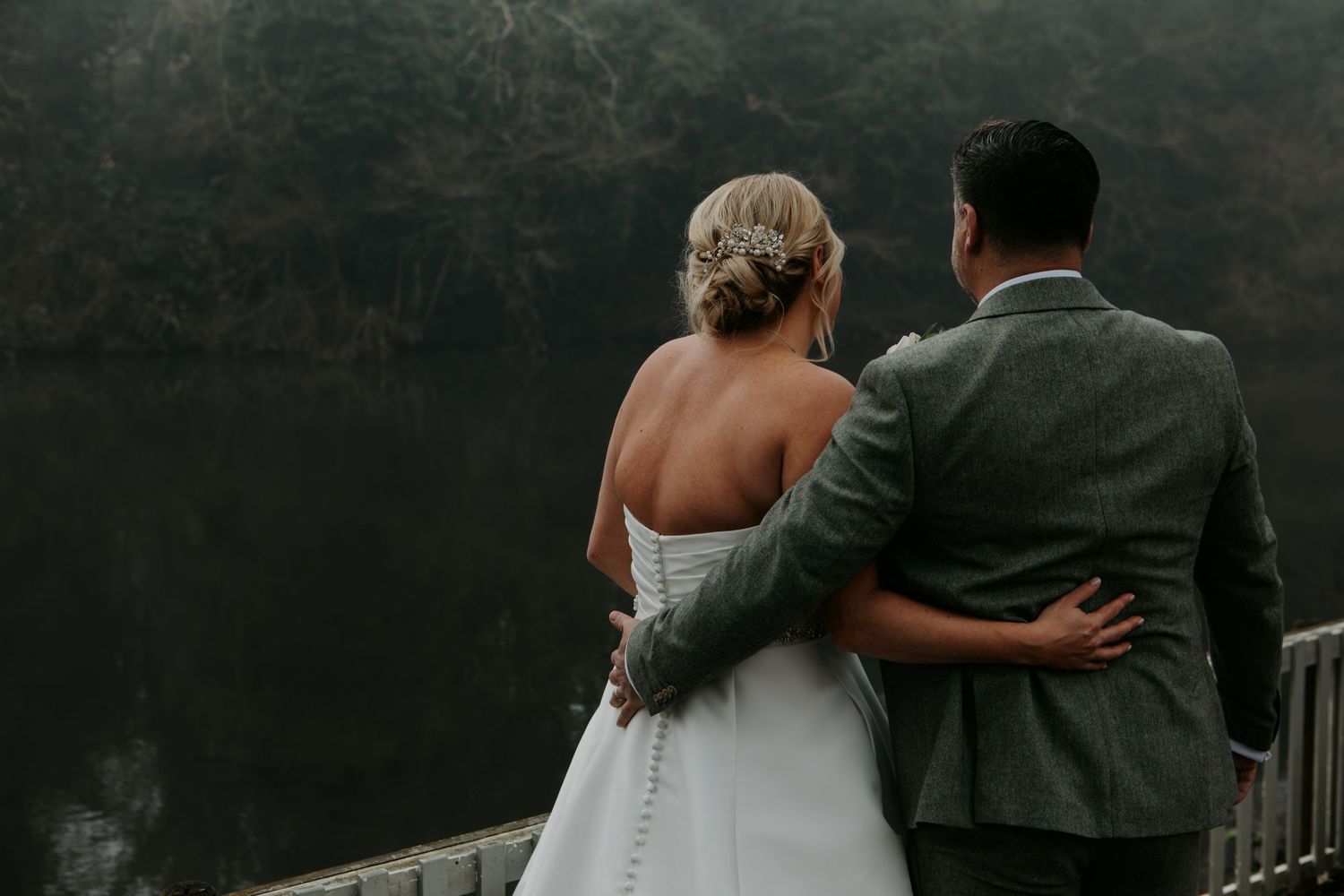
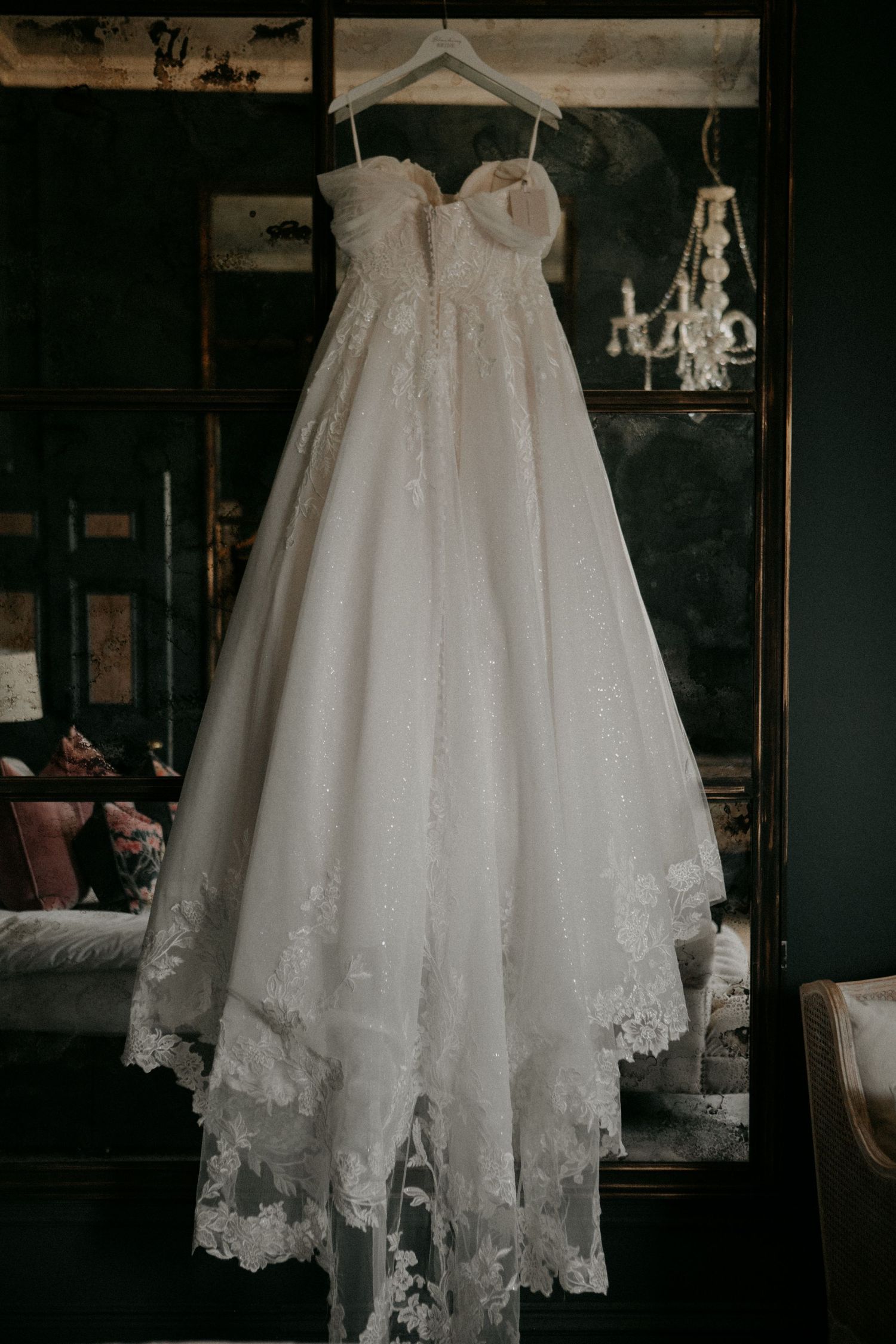
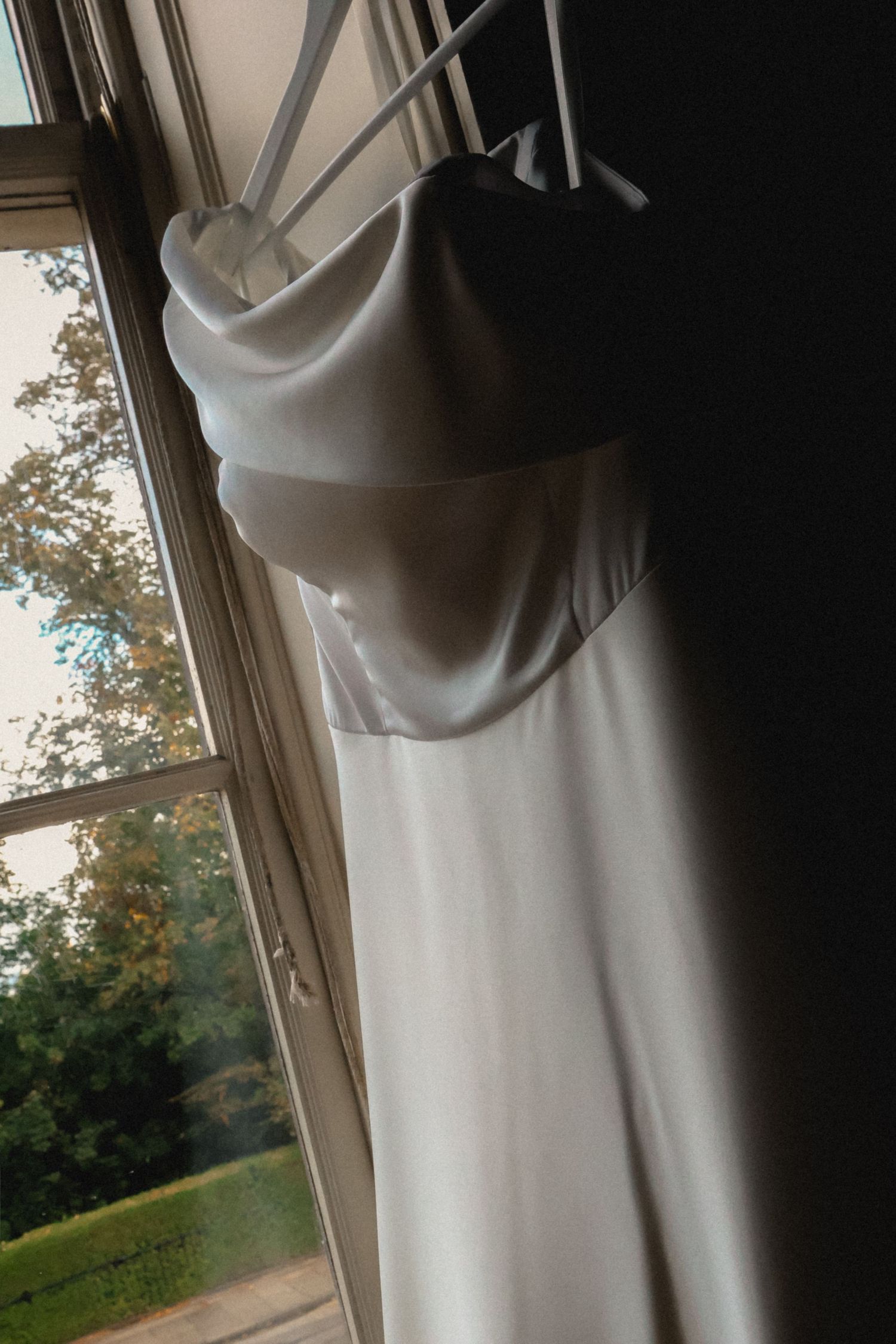
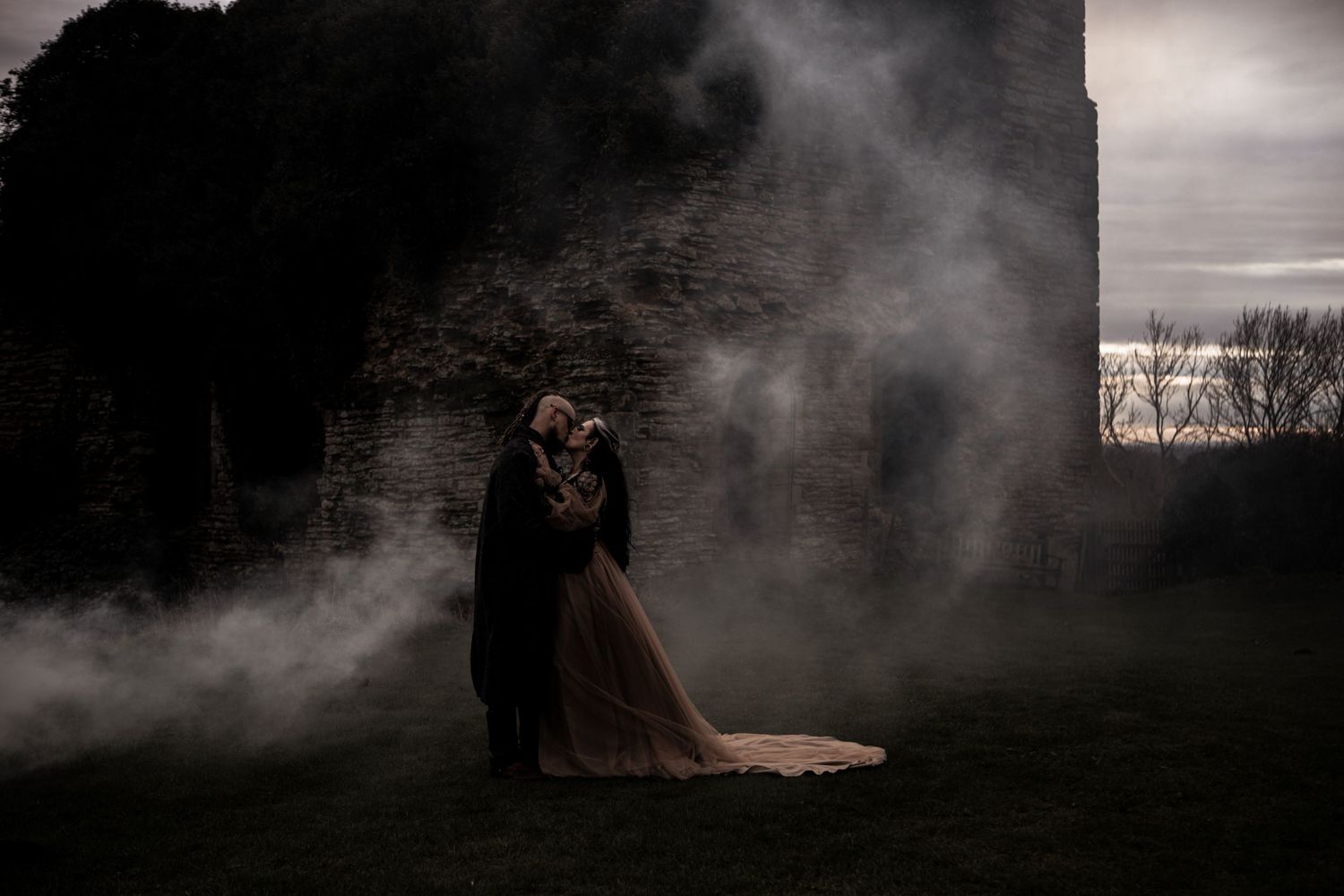
In the UK, we don’t get harsh, overhead sun most of the year. We get soft, shifting, unpredictable light, and that’s actually ideal for this style. Low winter sun that skims across a room. Window light that falls in one direction. Cloud cover that diffuses everything into softness. That kind of light creates depth, shapes and shadows that feels intentional rather than accidental.
Instead of fighting low light, I've learnt how to become best friends with it, in fact, I am probably one of the few photographers out there that actually begs for it! I lean into it, and allow it to help shape how your photographs will form. That’s where this style is able to breathe and allowing light to fall naturally and respecting the shadows that come with it.
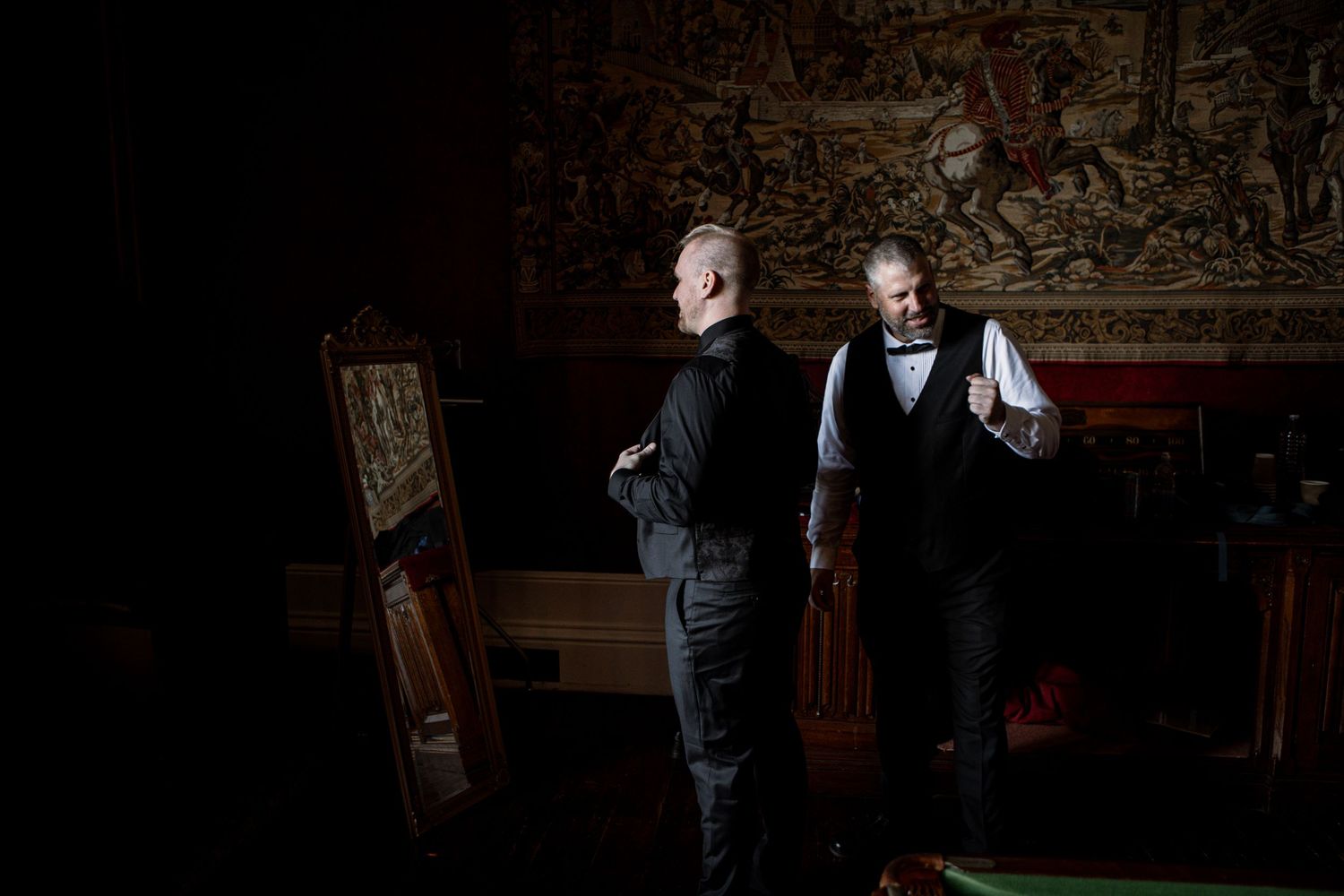
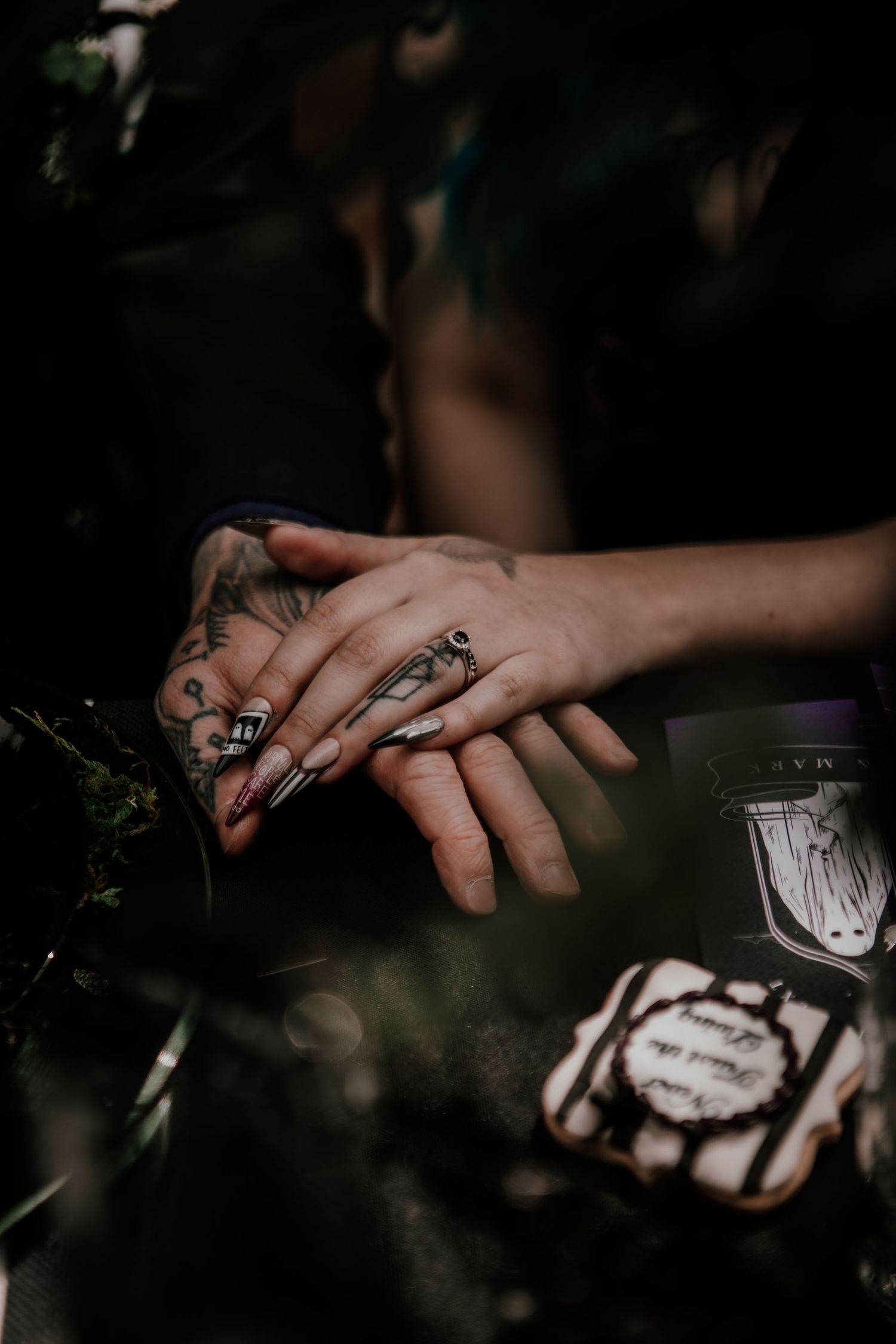
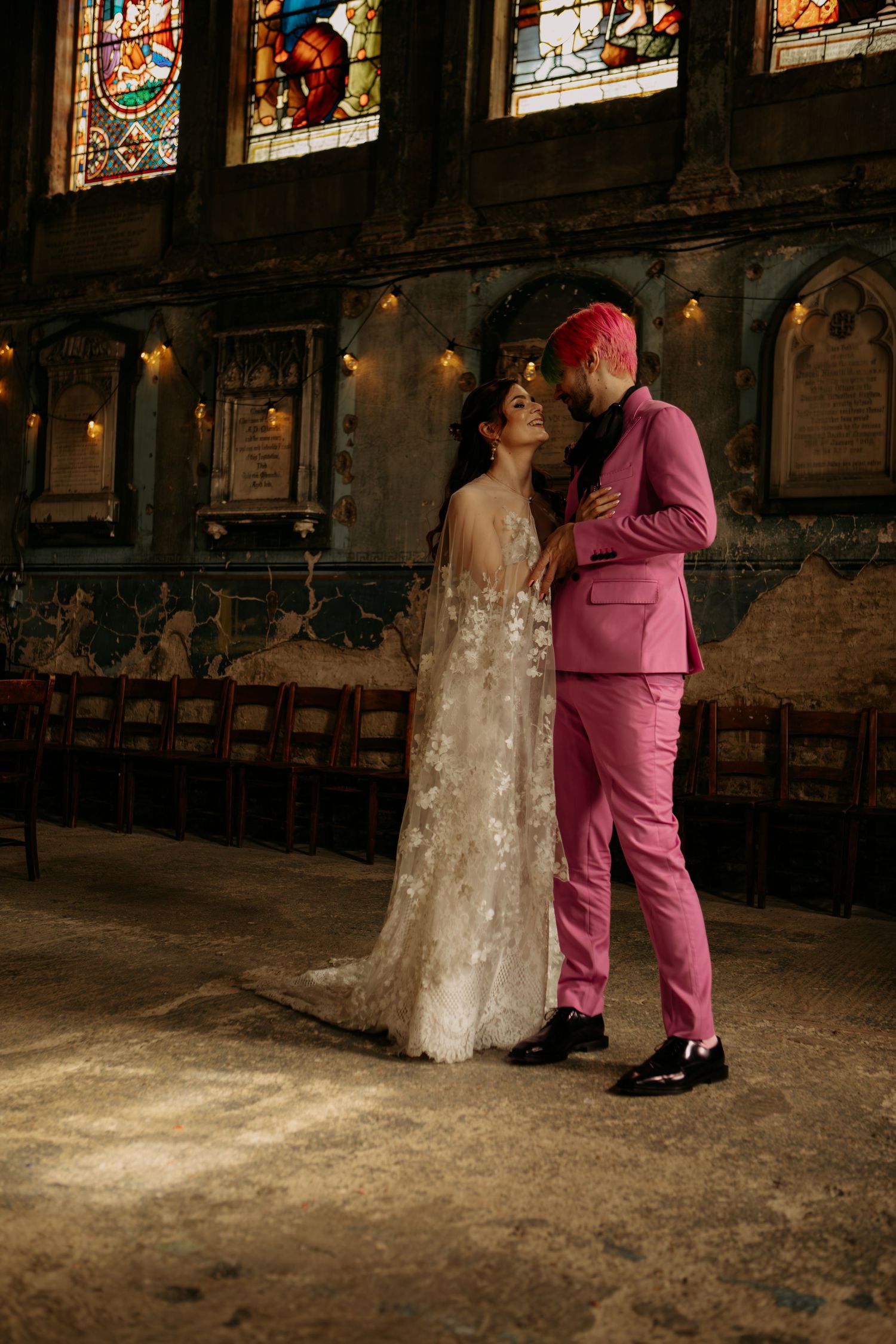
It’s About Depth; Not Drama
Another thing people often misunderstand is this: Dark and moody imagery isn’t about adding drama, though sometimes is a nice welcomed edition if the right setting, It’s about allowing depth. And there is a real difference with the two.
When I say dark and moody photography isn’t about drama, what I really mean is that it isn’t about exaggeration. Drama tends to heighten what’s already there. It pushes contrast harder, deepens blacks further, intensifies colour, or encourages moments to feel bigger than they naturally are. There’s nothing inherently wrong with that, it can be bold and cinematic, but it relies on amplification.
Depth works differently.
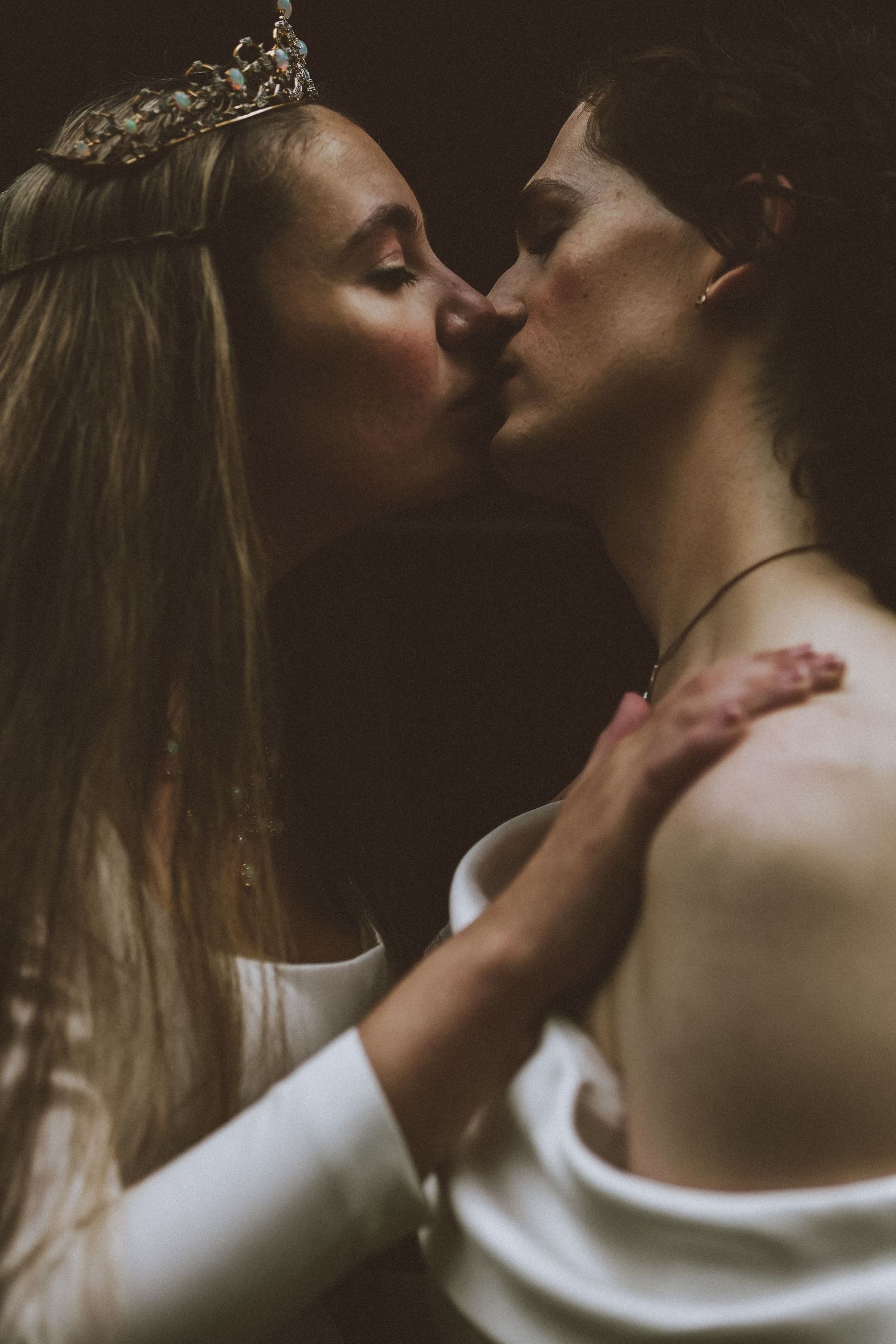
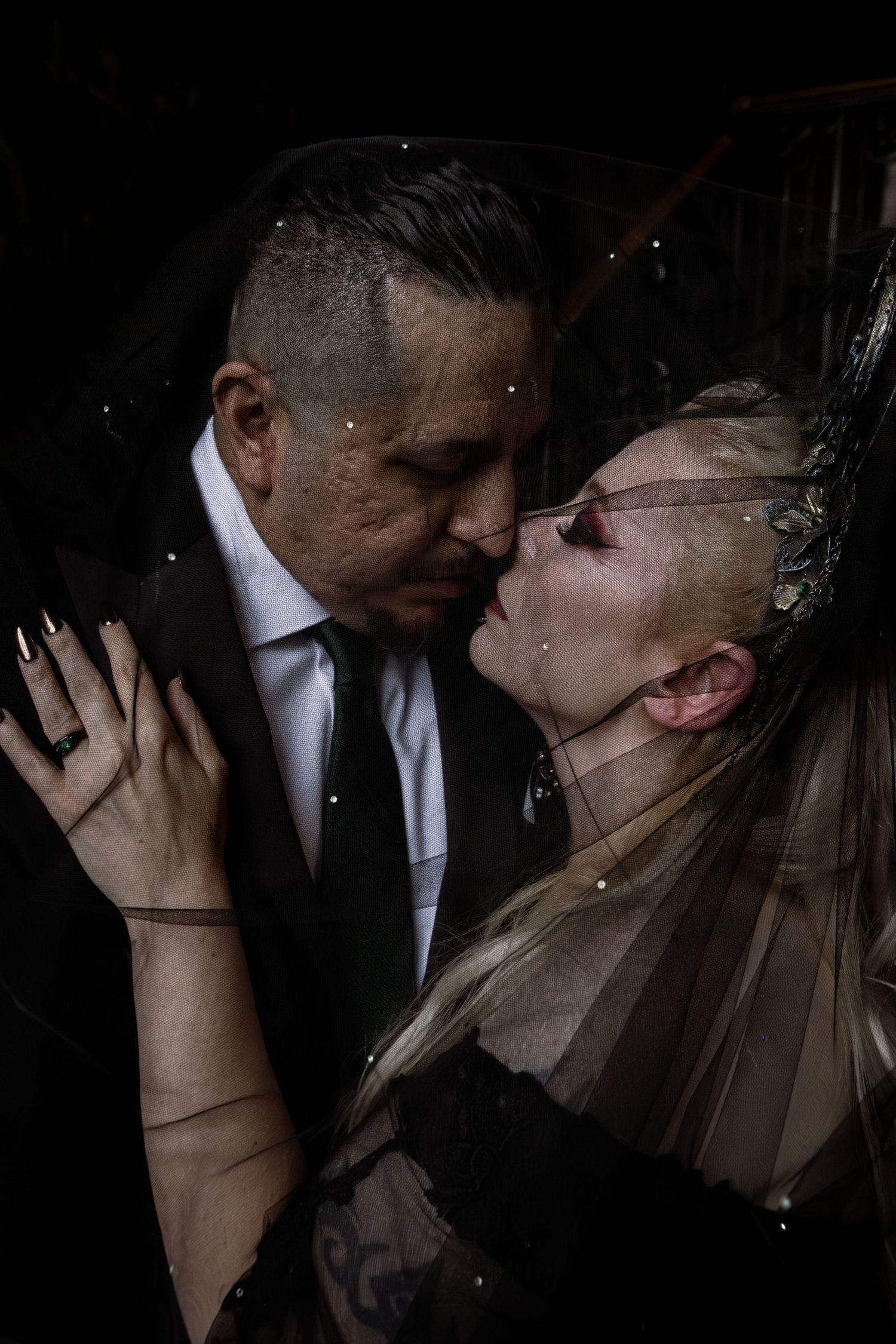
Depth is about dimension. It’s about allowing light to shape a space so the image feels layered rather than flat. Instead of evening everything out or intensifying it for impact, depth comes from contrast that already exists in the room. Light falls in one direction, shadows gather naturally, and the photograph holds that balance rather than correcting it.
The emotional difference is subtle but important.
Drama often announces itself. You notice the intensity straight away. Depth feels quieter. It draws you in more slowly because it feels believable, like you’re standing in the space rather than looking at a stylised version of it.
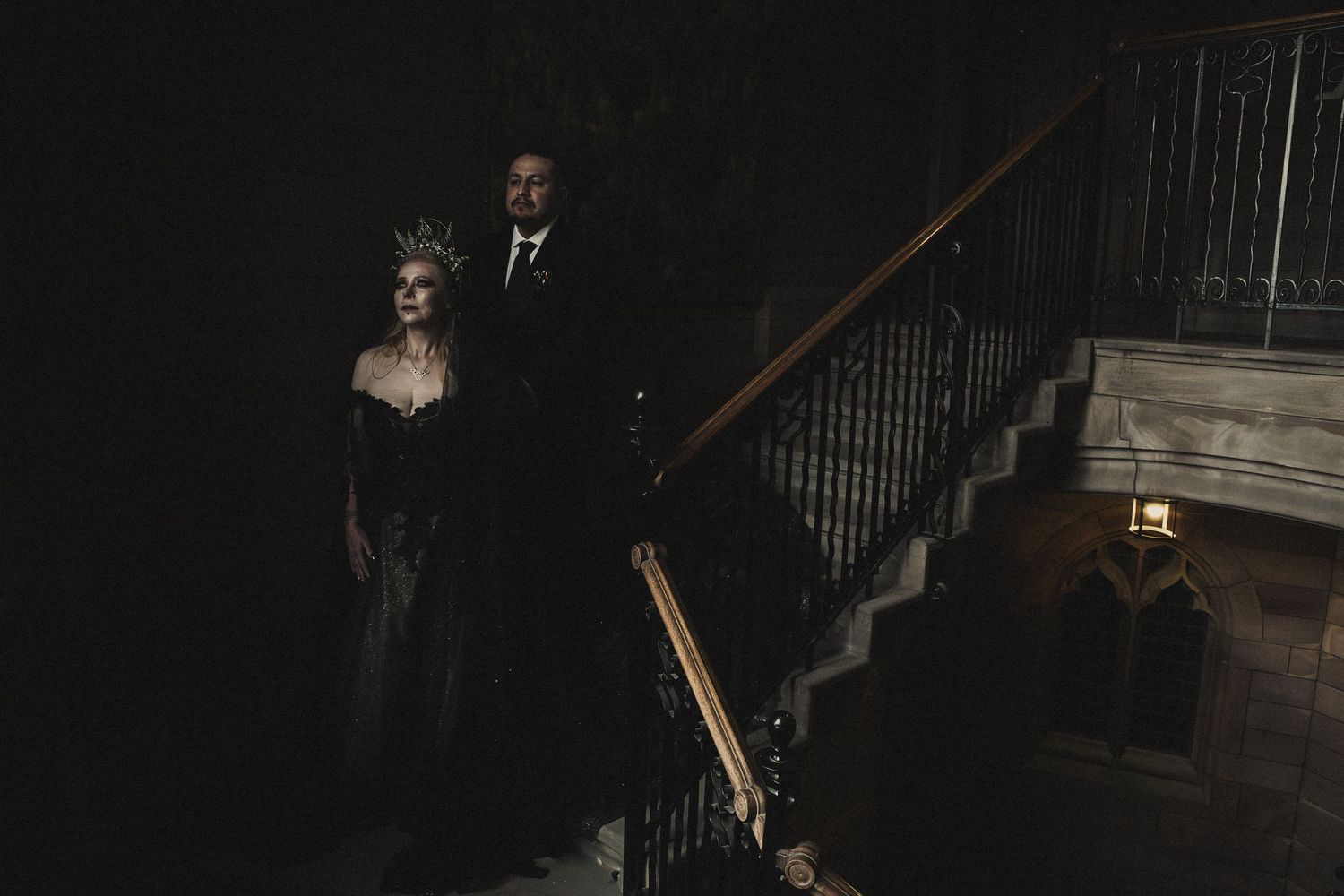
If someone is already laughing wildly in sideways rain, the moment carries its own drama. It doesn’t need to be pushed further. If two people are standing still before a ceremony, barely speaking, that moment carries weight in a different way. Depth allows that weight to sit exactly where it belongs without turning it into a performance.
For me, dark and moody photography is rooted in depth. It’s about preserving dimension, shadow and atmosphere so the image feels grounded and present. The power comes from the light and the moment itself, not from exaggerating either of them afterwards.
Not Just A Preset
Here’s the slightly uncomfortable truth.
There aren’t actually that many genuinely dark and moody wedding photographers in the UK. The phrase gets used a lot, but it often means very different things depending on who’s saying it. Quite often, what’s described as “moody” is simply bright, airy work with the exposure lowered slightly. Sometimes it’s a warm filter added over otherwise neutral images. Sometimes it’s a trend-led edit that shifts every year depending on what’s circulating online.
That isn’t a criticism. Styles evolve. Editing trends move quickly. Photographers experiment and refine their voice over time. But dark and moody isn’t just brightness turned down or grain turned up. It’s a way of seeing light.
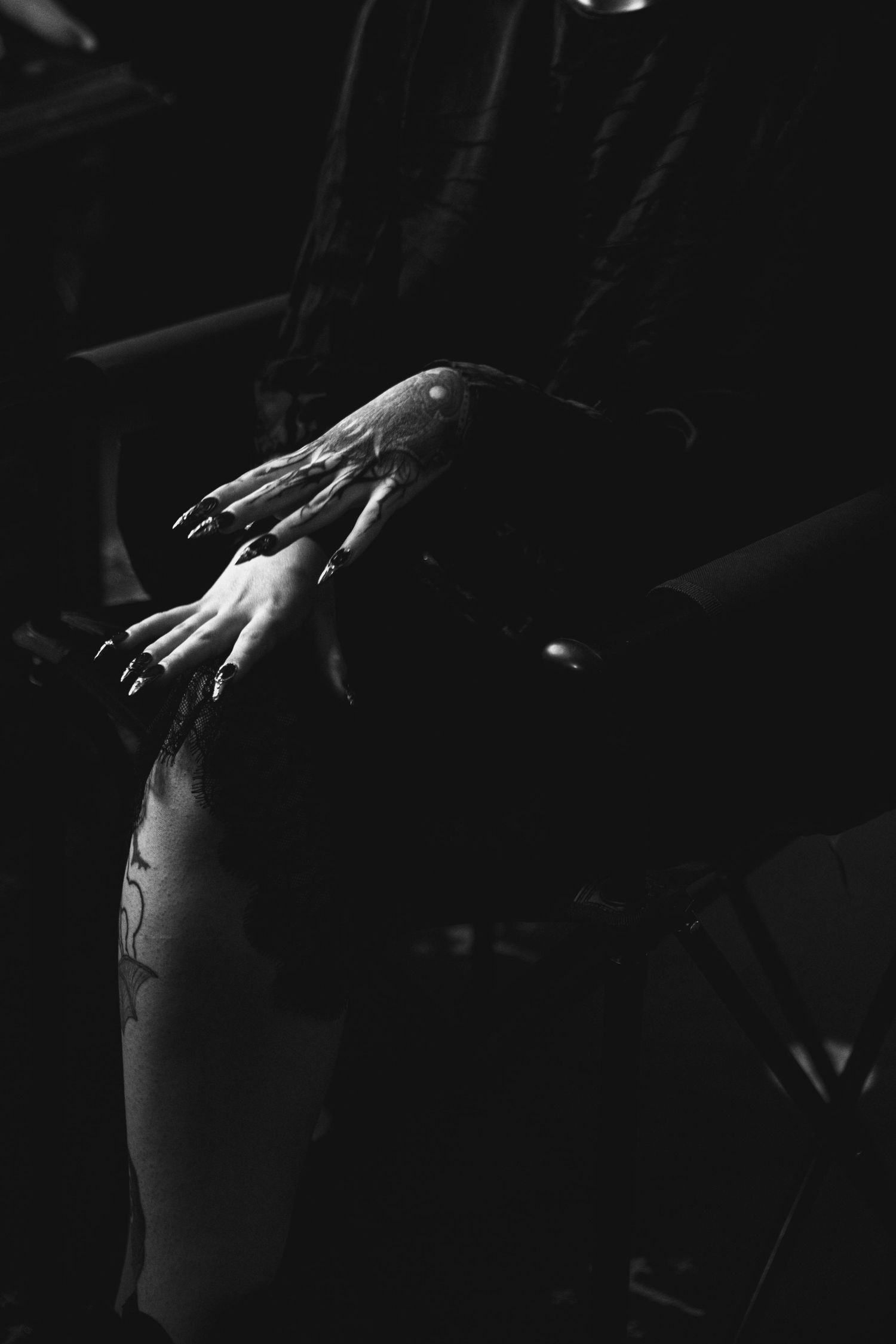
It requires understanding how shadows behave in a room, how contrast shapes a subject, and how tone affects emotion. It’s about control, knowing when to let parts of an image fall into shadow and when to protect the highlights so detail remains intact.
If shadows are crushed to the point where texture disappears, that isn’t mood, it’s lost information. If skin tones shift too warm or too desaturated, that isn’t atmosphere, it’s imbalance. If blacks looks overly grey and flat, the image loses depth rather than gaining it.
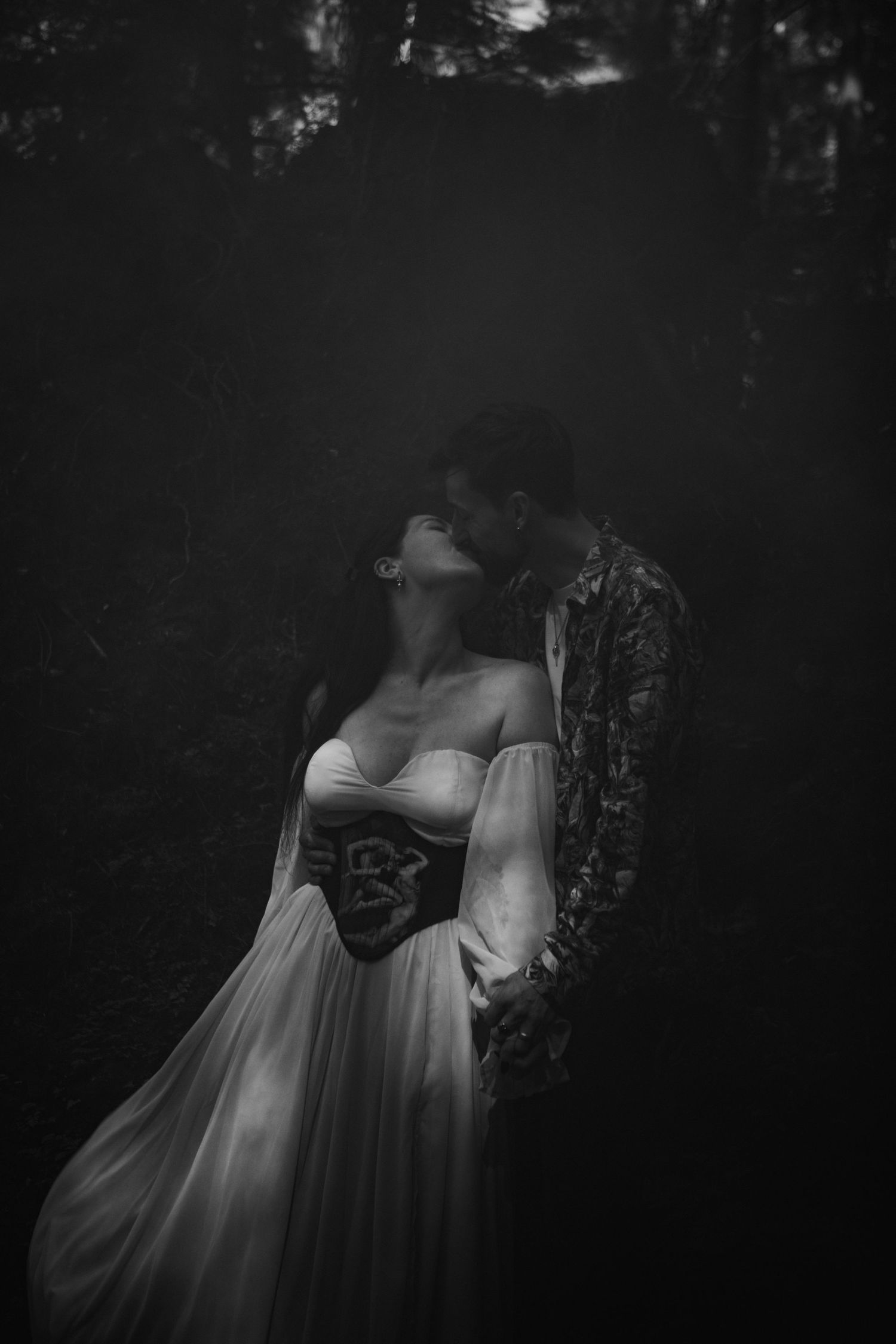
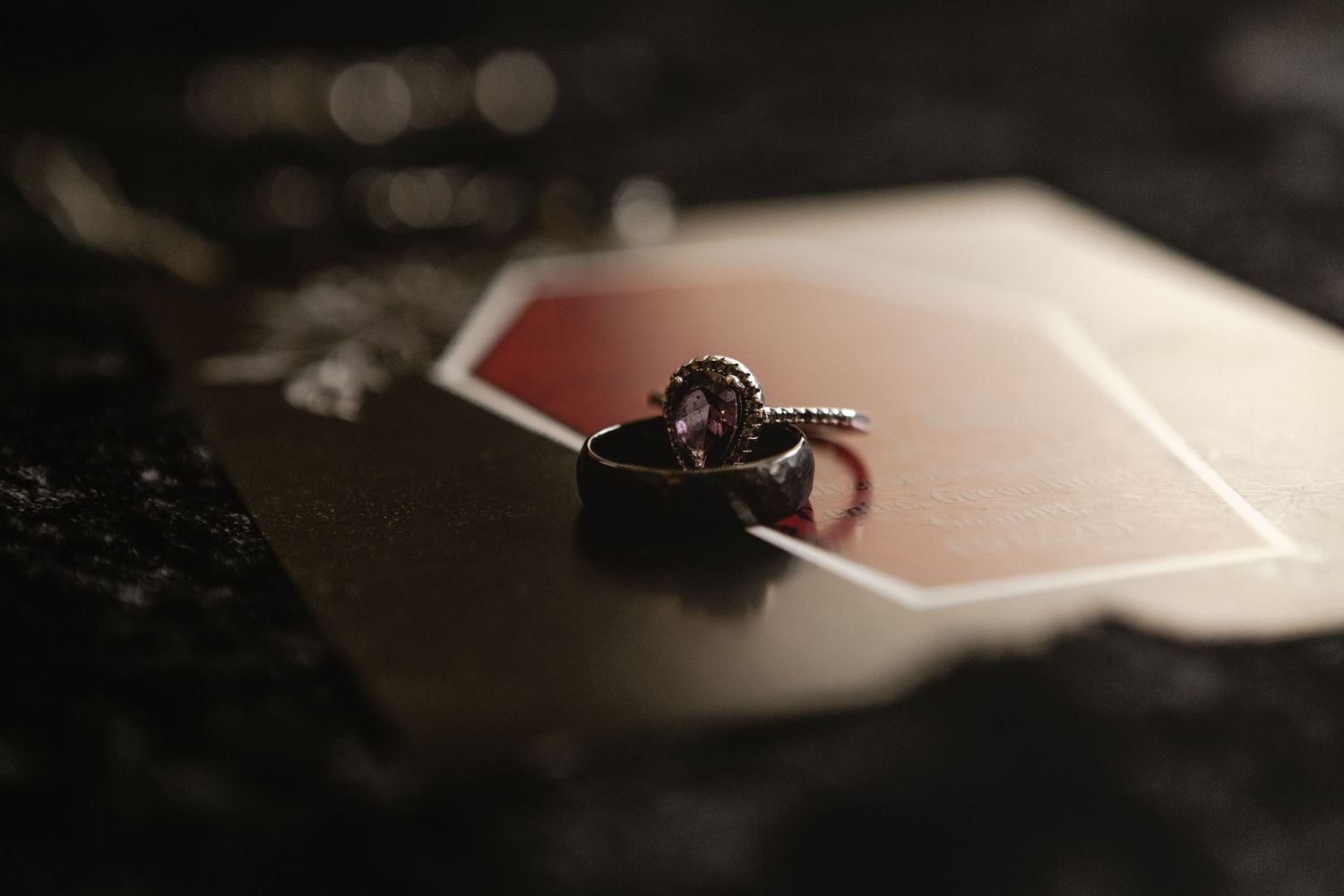
True dark and moody photography still holds detail. Blacks are rich rather than muddy. Highlights are restrained but present. Skin looks like skin. Fabric has texture. You can feel the room around the couple.
The mood should come from the light and the moment, not from an edit that overwhelms them.
Is Dark & Moody Photography Right for You?
Dark and moody wedding photography isn’t about being edgy or different for the sake of it. It’s about how you want your day to feel when you look back on it.
If you’re drawn to atmosphere, depth, cinematic vibes and emotion over polished perfection then this style will probably resonate. If you care more about how a moment felt than whether every corner of the room was evenly lit, you’ll likely find comfort in shadow rather than distraction in it. If you want your photographs to feel timeless rather than trend led, or can vision hanging up your images on a gallery wall that are recognisably yours rather than interchangeable, dark and moody tends to sit well.
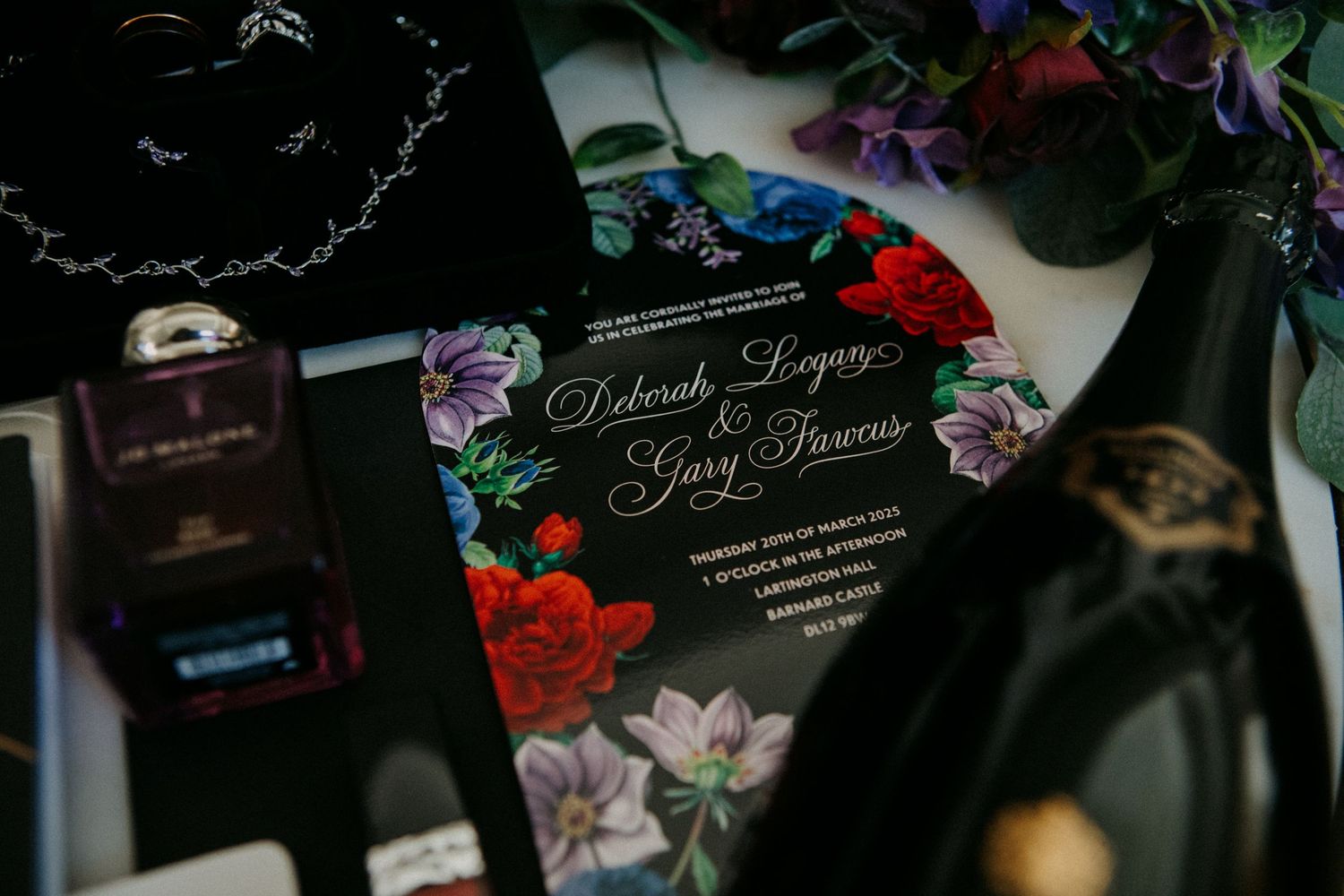
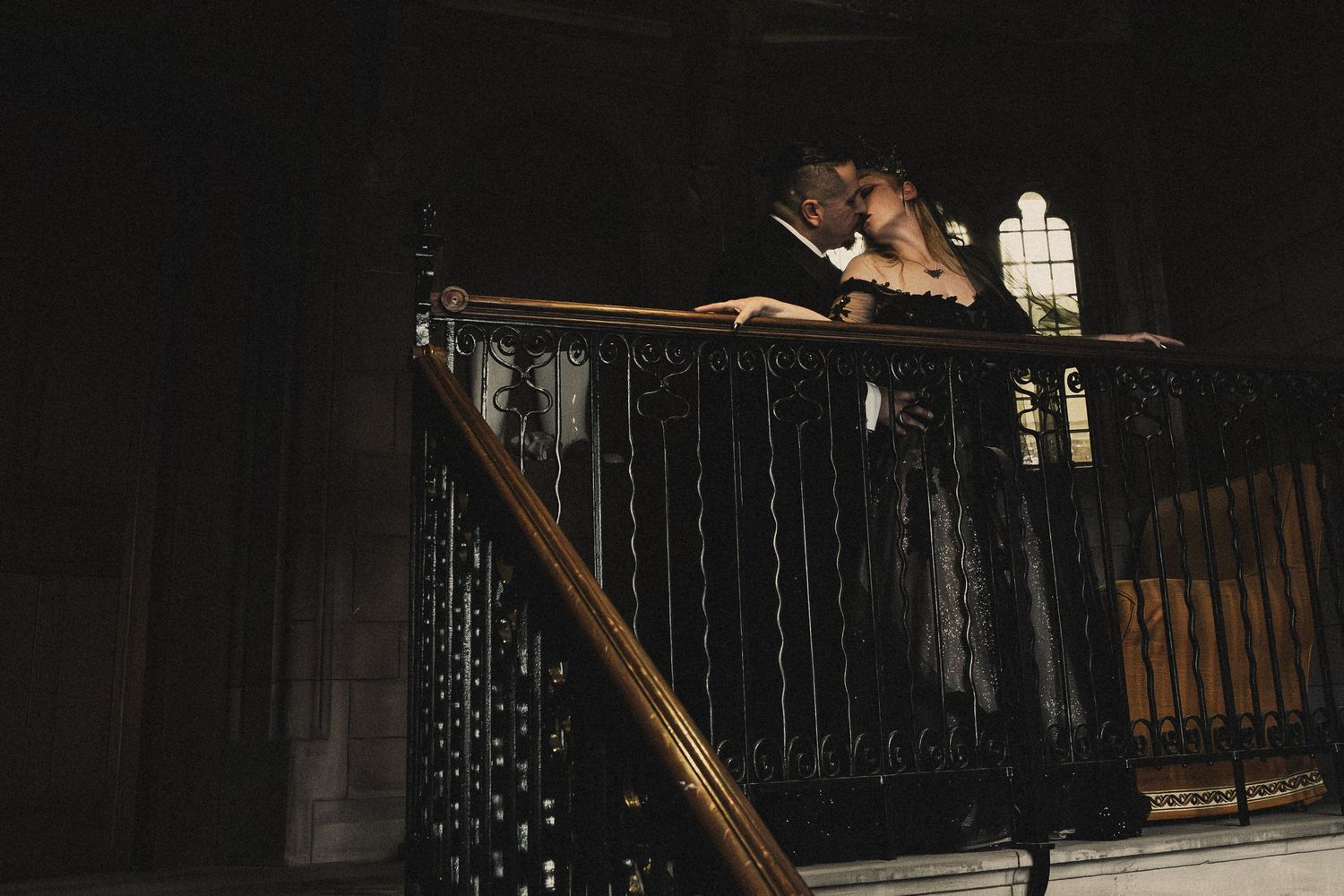
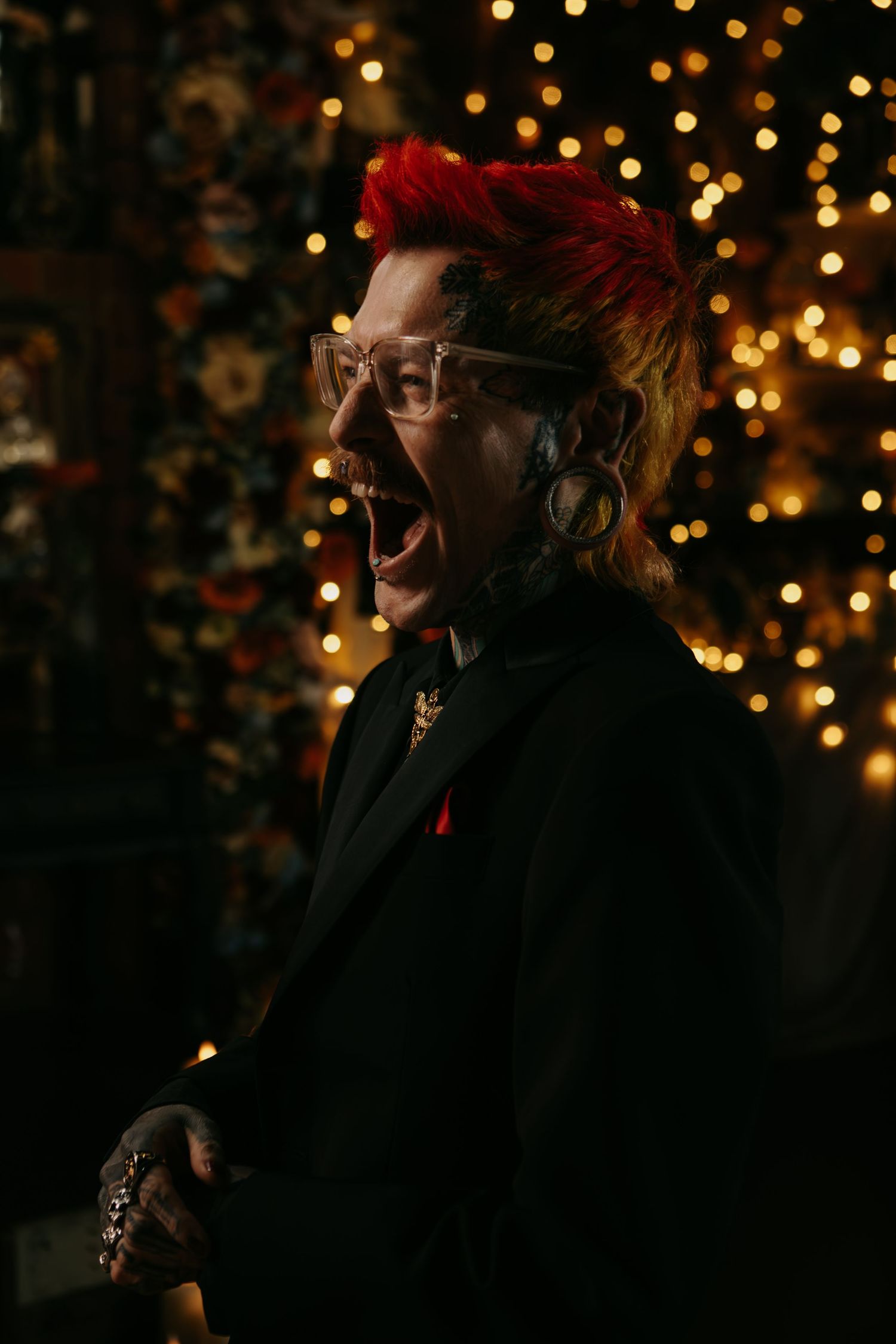
It also naturally suits couples planning something alternative, gothic, unconventional or deeply personal, especially when the styling, venue or energy of the day carries weight and texture of its own.
But if you love bright, airy imagery with crisp whites, pastel tones and light flooding every frame, that’s completely valid too. High key minimalism has its own beauty. It just tells a different visual story.
Photography should reflect you. Not the other way around.
For me, dark and moody is rooted in honesty. It’s about texture, shadow and emotional depth. It’s about documenting people as they are, without flattening them into something more palatable or more performative.
If that feels aligned with how you experience the world, or how you’re planning to celebrate your wedding, then this style might feel less like a trend, and more like home to you.
Ready to chat?
If you’re looking for an alternative wedding photographer who gets what you want and delivers photos you can be proud of, I’d love to hear from you.
Fill out the contact form, send me an email, or let’s chat over a coffee if you’re nearby. I’m here to help make your day feel effortless, so you can focus on what matters.