People often talk about suppliers going the extra mile as though it's something exceptional. A little bonus. Something extra that only happens when there's time.
The truth is, I don't see it that way.
For me, going the extra mile has never been about doing more than my job. It's about recognising that every couple is different, and that not everybody experiences wedding planning, or their wedding day itself, in the same way.
What feels simple and straightforward for one couple can feel overwhelming, inaccessible or stressful for another. That's why I've always believed that being a wedding photographer is about far more than taking photographs. It's about creating an experience where people feel safe, supported and able to be themselves.
Because One Size Doesn't Fit All
One of the biggest things I've learned from working with so many different couples over the years is that there is no such thing as a "normal" wedding experience. Every couple brings their own personalities, relationships, backgrounds, priorities, challenges and needs to the table. What makes one person feel excited and relaxed might leave somebody else feeling completely overwhelmed, and that's okay.
The wedding industry can sometimes fall into the trap of treating couples as though they all fit into the same mould. The same planning process. The same communication style. The same expectations. The same idea of what a wedding should look like. But people simply don't work that way.
Some of my couples love jumping on a video call and chatting through every detail. Others would much rather communicate by email because it's less stressful and gives them time to process information at their own pace. Some couples thrive on a packed wedding day full of activity and socialising, whilst others need quiet moments built into their timeline so they can recharge and actually enjoy the experience.
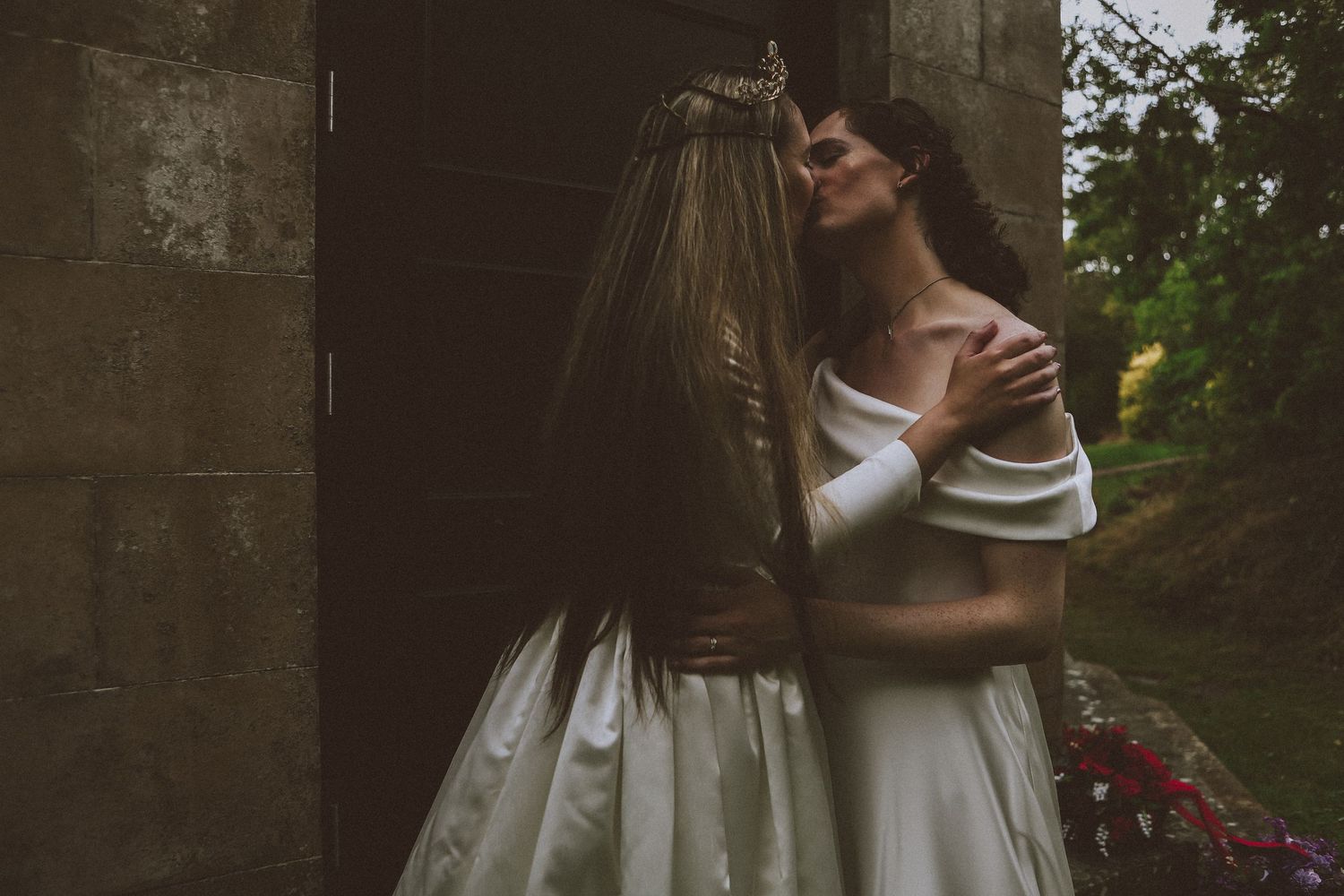
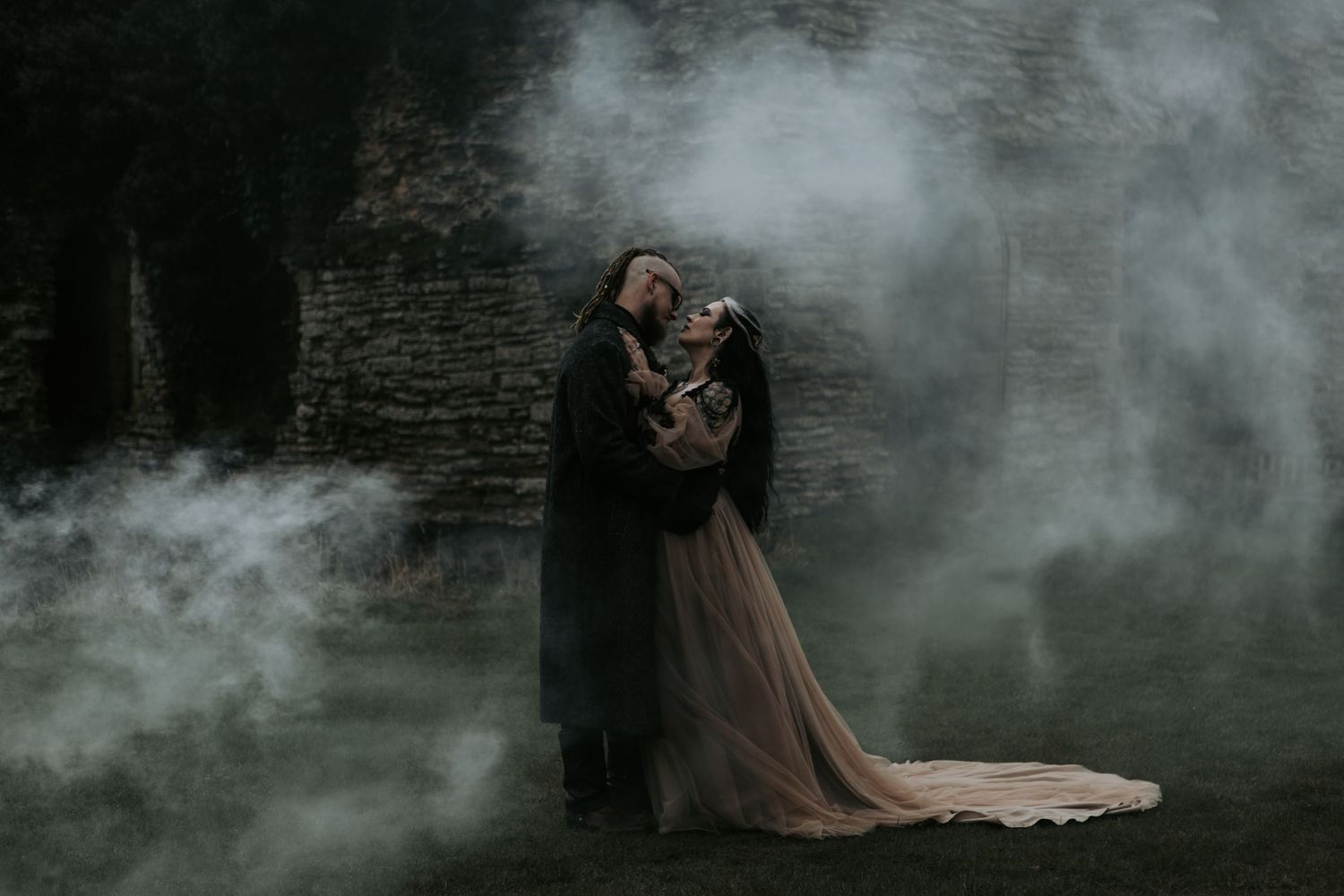
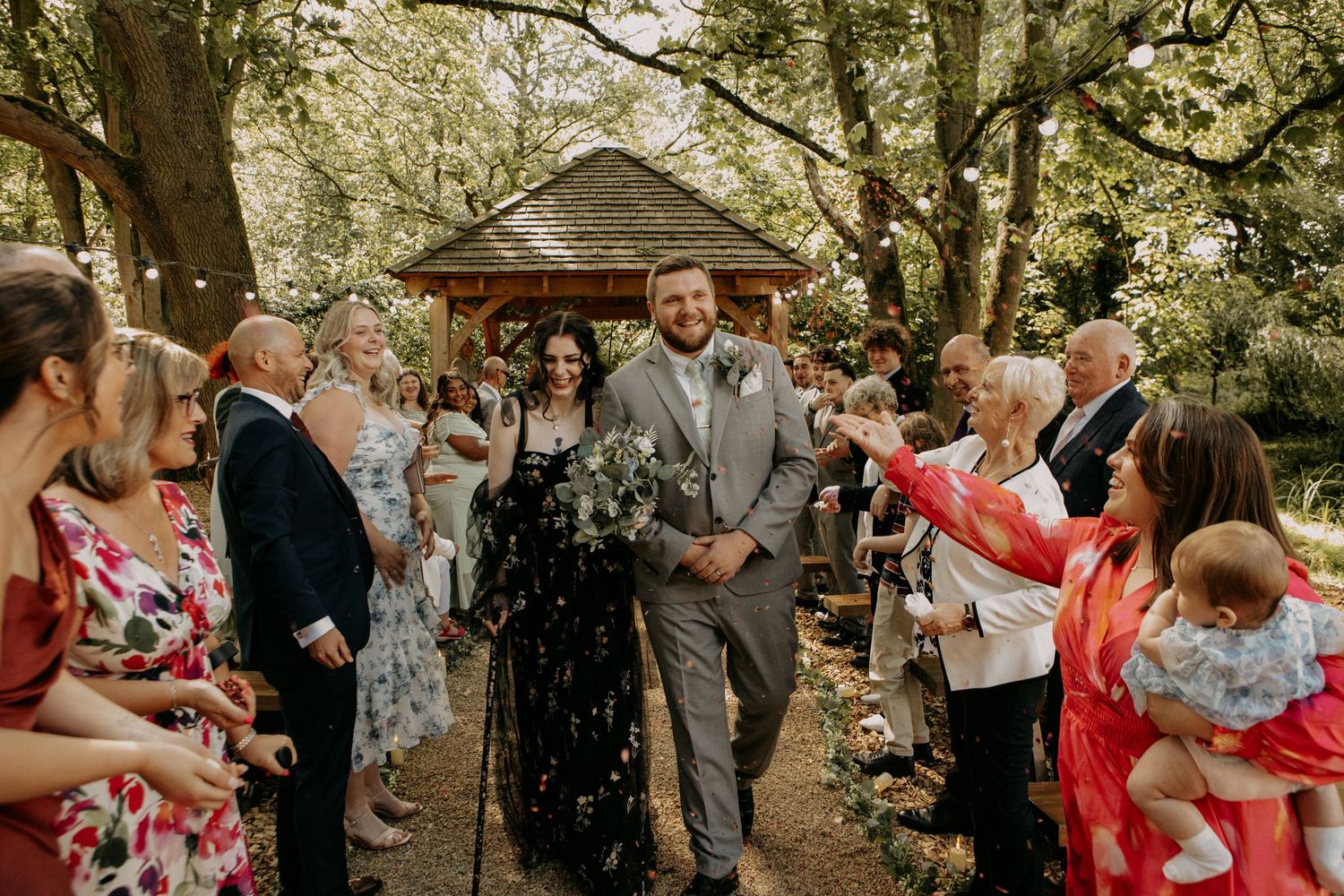
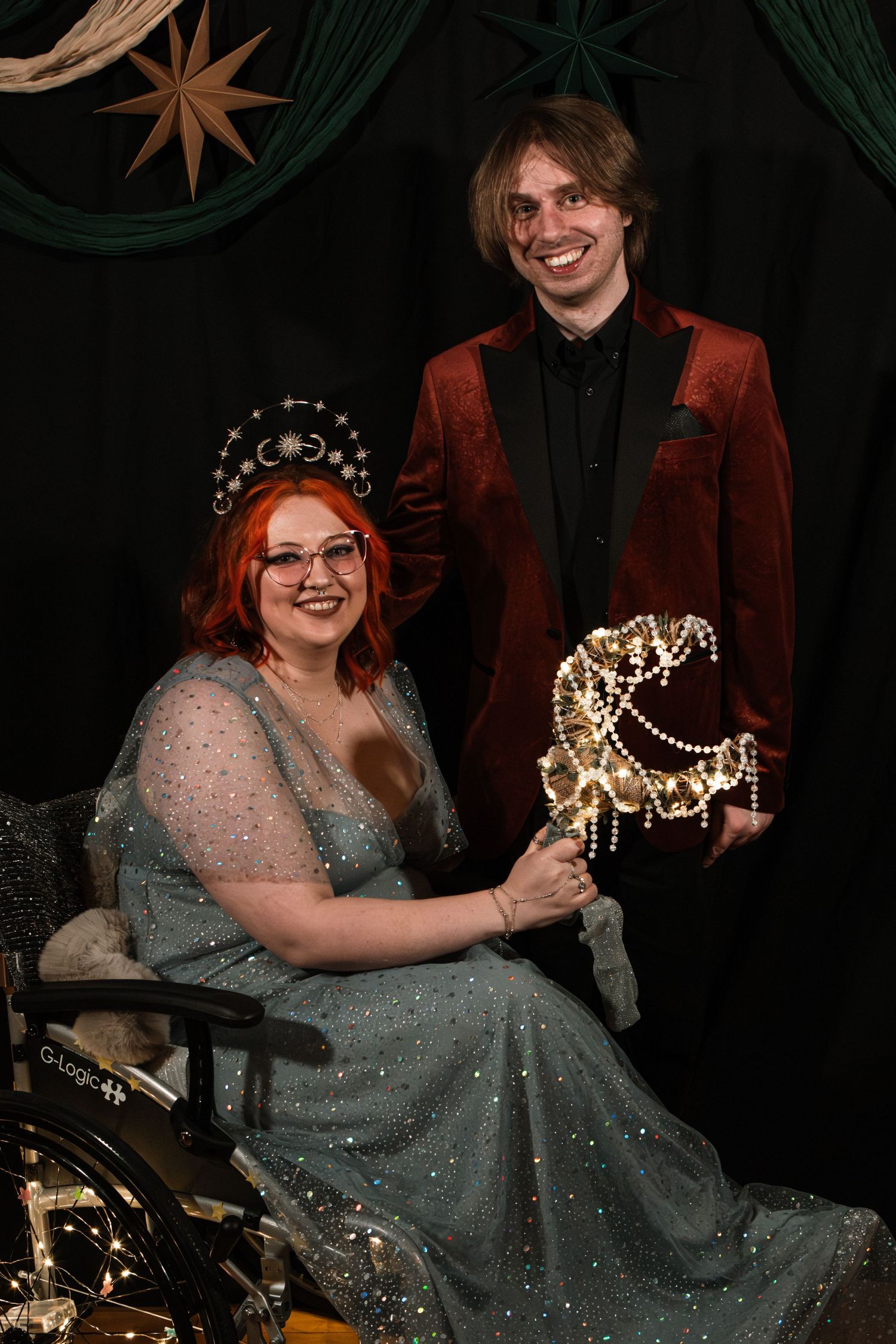
I've worked with neurodivergent couples, couples managing chronic illnesses, couples navigating complex family dynamics, LGBTQIA+ couples who have spent years feeling unseen by parts of the wedding industry and couples who simply want to celebrate their relationship in a way that feels authentic to them.
What all of them have in common is that they deserve an experience that works for them.
That's why I don't believe in a rigid approach to wedding photography. Instead, I try to get to know my couples as individuals and adapt wherever I can. Sometimes that means changing how we communicate. Sometimes it means adjusting timelines, finding quieter portrait locations, providing extra guidance, or simply taking the time to understand what will help somebody feel comfortable and supported.
Because the goal isn't to fit people into a process. The goal is to create a process that works for the people.
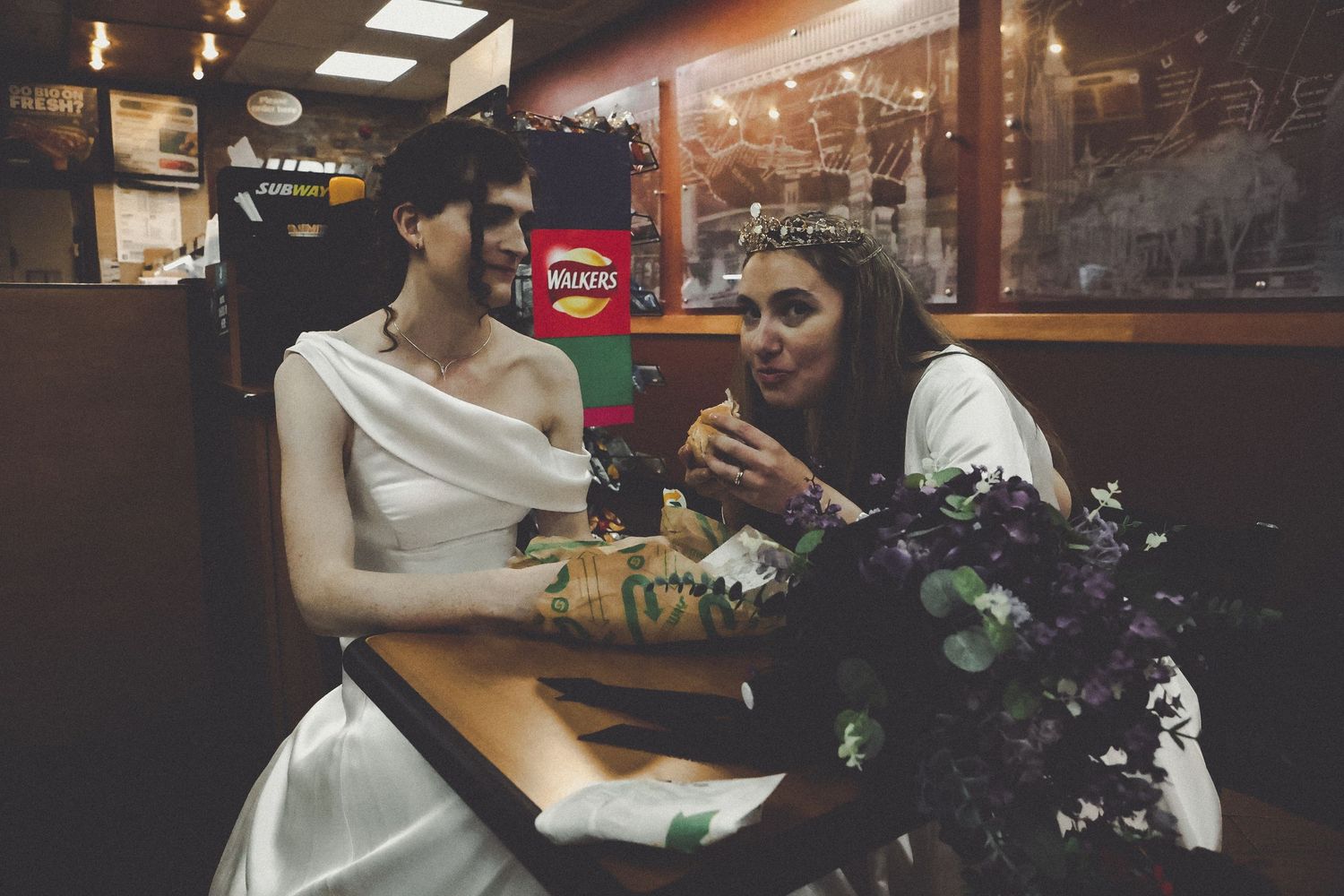
Accessibility Shouldn't Be An Afterthought
When people hear the word accessibility, they often think about ramps, lifts and wheelchair access.
Those things are incredibly important, of course, but accessibility goes far beyond physical access.
It's about making sure people can participate fully, comfortably and confidently without having to constantly advocate for themselves or explain why they need something different.
For some couples, accessibility might mean choosing a venue with step-free access. For others, it could mean building extra time into the schedule to manage fatigue, creating opportunities to step away from busy crowds, or communicating in a way that feels less overwhelming.
As someone who is neurodivergent myself, I understand that the world isn't always designed with everyone in mind. I know how exhausting it can be when systems, processes or environments assume that everybody thinks, communicates and experiences things in exactly the same way.
That's one of the reasons accessibility matters so much to me.
I never want my couples to feel like they're being difficult for asking questions, requesting adjustments or needing a different approach. The reality is that what helps one person enjoy their wedding day might look completely different to what helps somebody else.
Sometimes accessibility means sending information in writing rather than expecting somebody to remember everything from a phone call. Sometimes it means allowing flexibility when plans change. Sometimes it means understanding that social batteries can run out, that chronic pain doesn't always follow a schedule, or that certain situations can become overwhelming much faster than people realise.
These aren't special requests.
They're simply part of recognising that everybody deserves to experience their wedding day in a way that feels comfortable and manageable for them.
For me, accessibility isn't something that gets considered once a problem appears. It's something I try to build into my business from the very beginning. Because when people feel understood, supported and accommodated, they're able to focus on what really matters: celebrating their relationship and enjoying the day they've worked so hard to create.
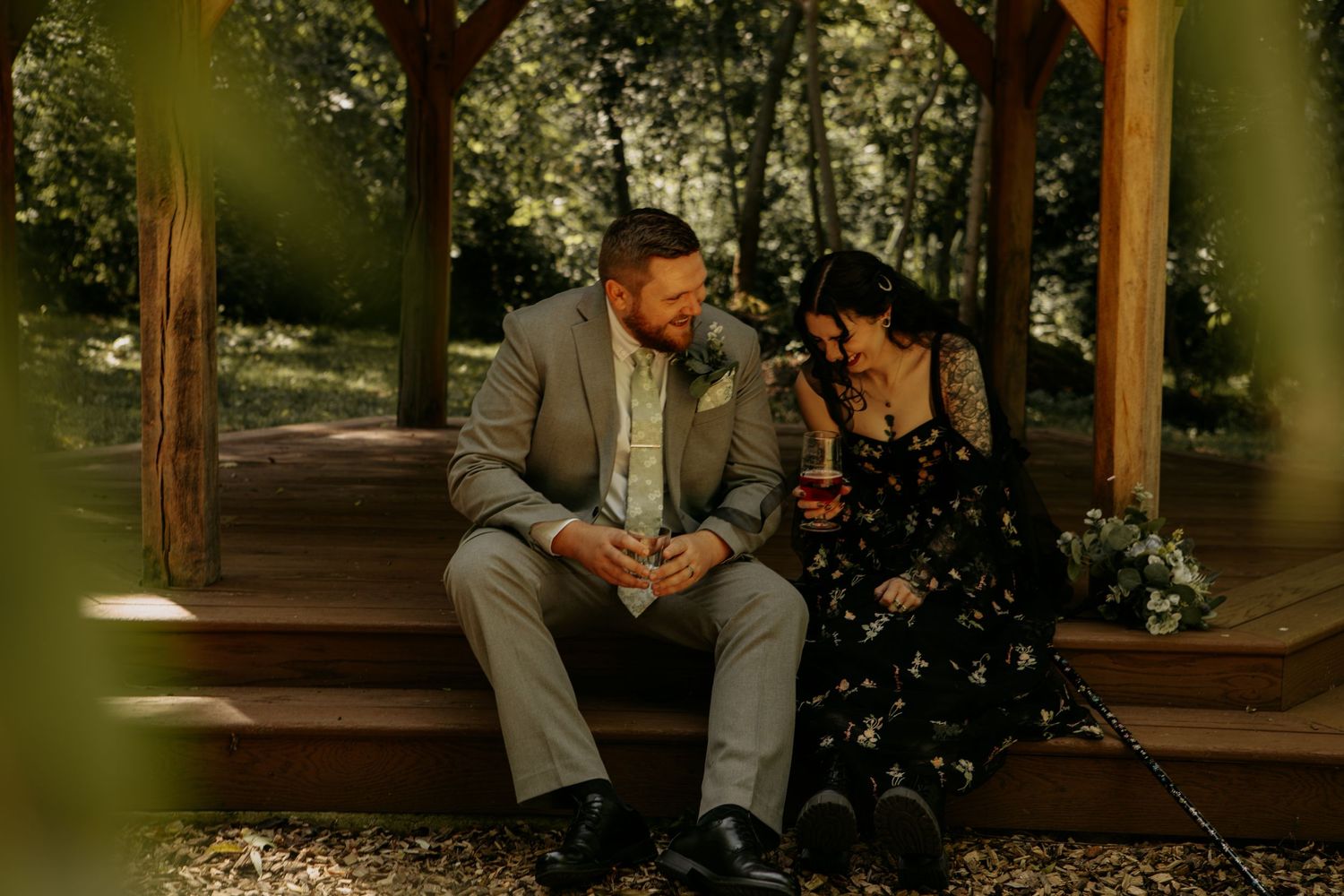
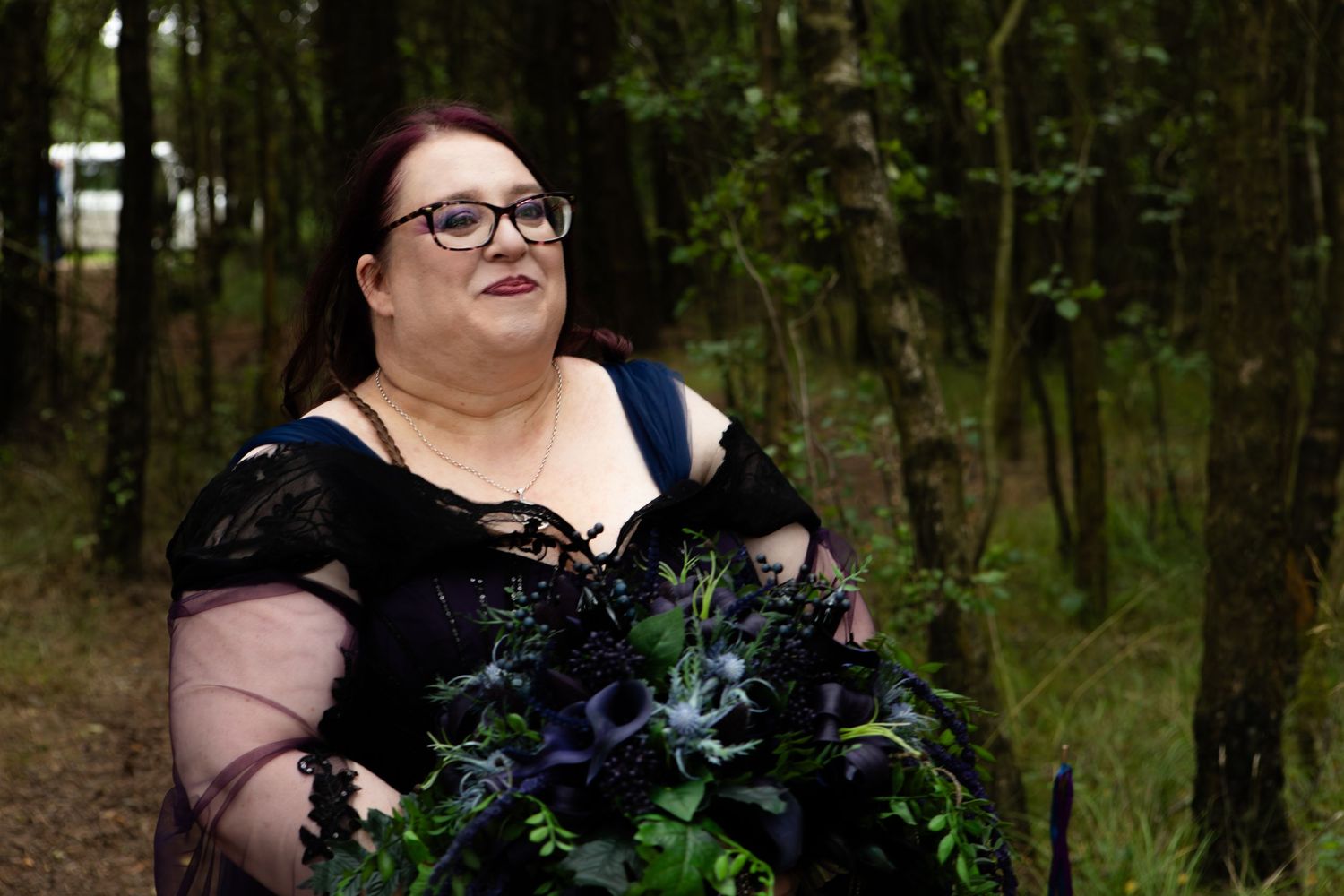
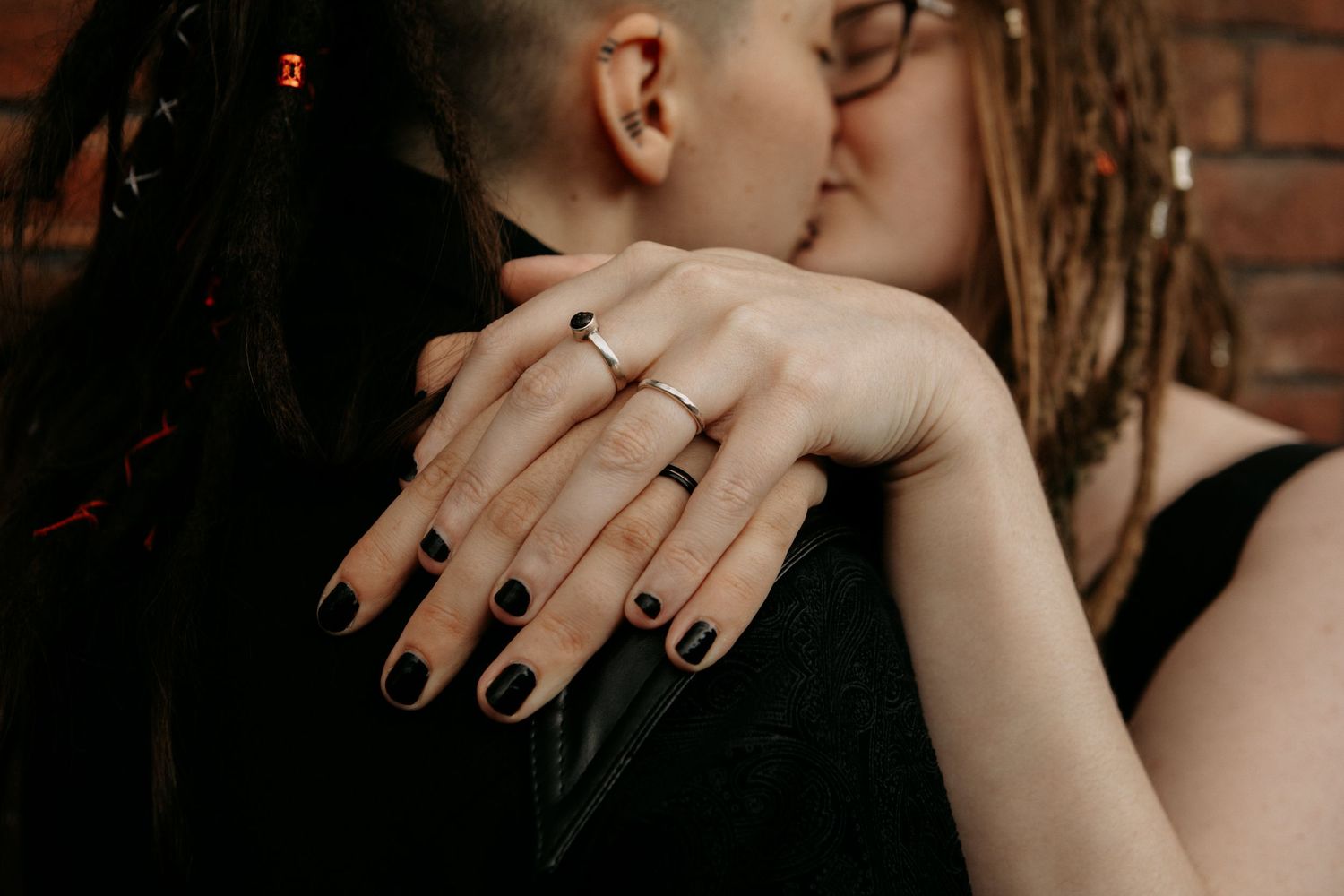
Not Everyone Feels Comfortable In Front Of A Camera
If I had a pound for every time somebody told me they were awkward, hated having their photograph taken, didn't know what to do with their hands, or weren't photogenic, I'd probably be retired by now.
The truth is, most people aren't completely comfortable in front of a camera.
For some, it's simply because they don't have their photograph taken very often. For others, it runs much deeper. Past experiences, anxiety, body image concerns, neurodivergence, social anxiety, self-consciousness, or simply the pressure of being the centre of attention can all make having your photograph taken feel incredibly daunting.
That's why one of the biggest ways I go the extra mile for my couples is by recognising that not everybody approaches photography with the same level of confidence.
I don't expect people to arrive knowing exactly how to pose, where to look, or how to magically relax the moment a camera appears. That's my job to help with.
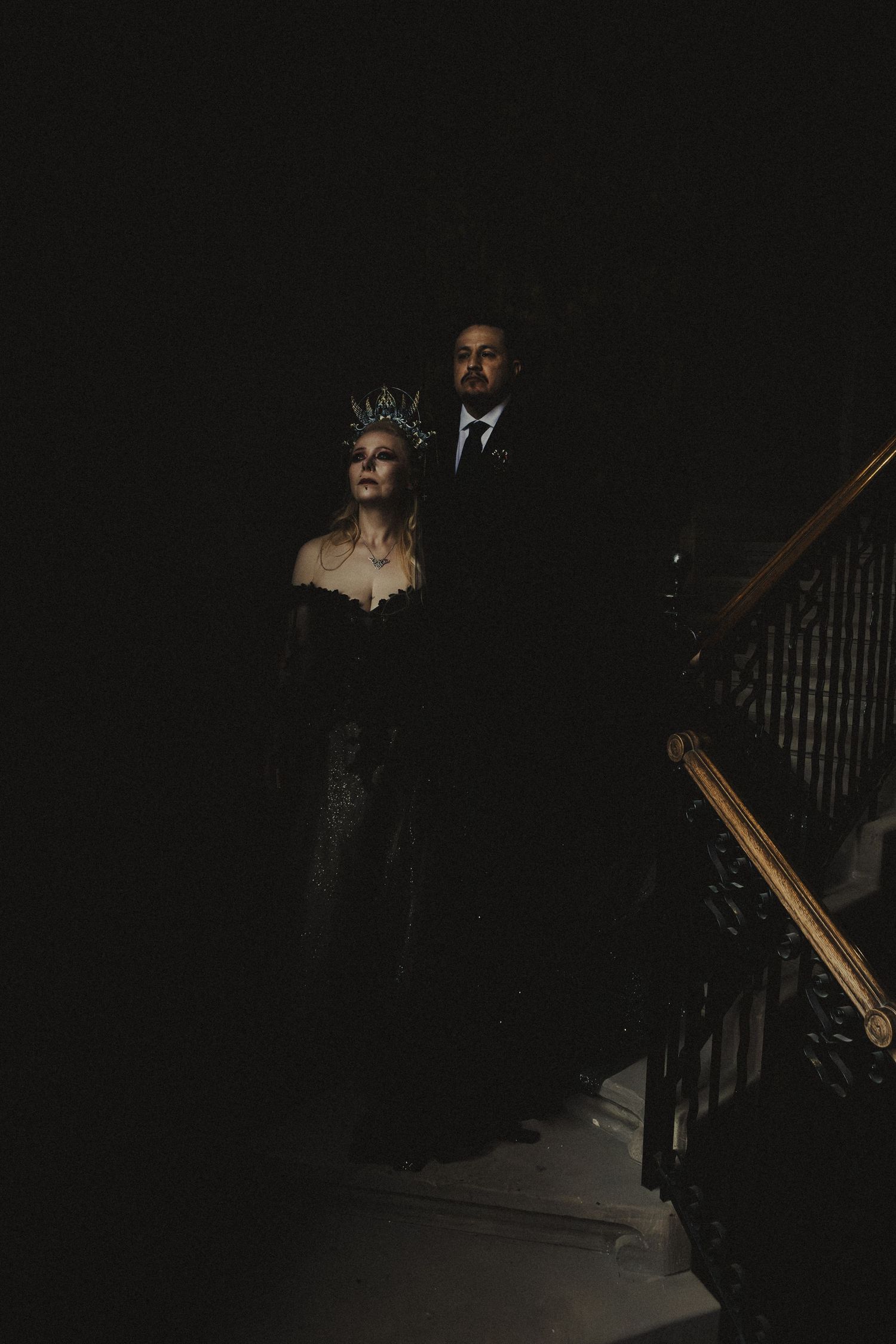
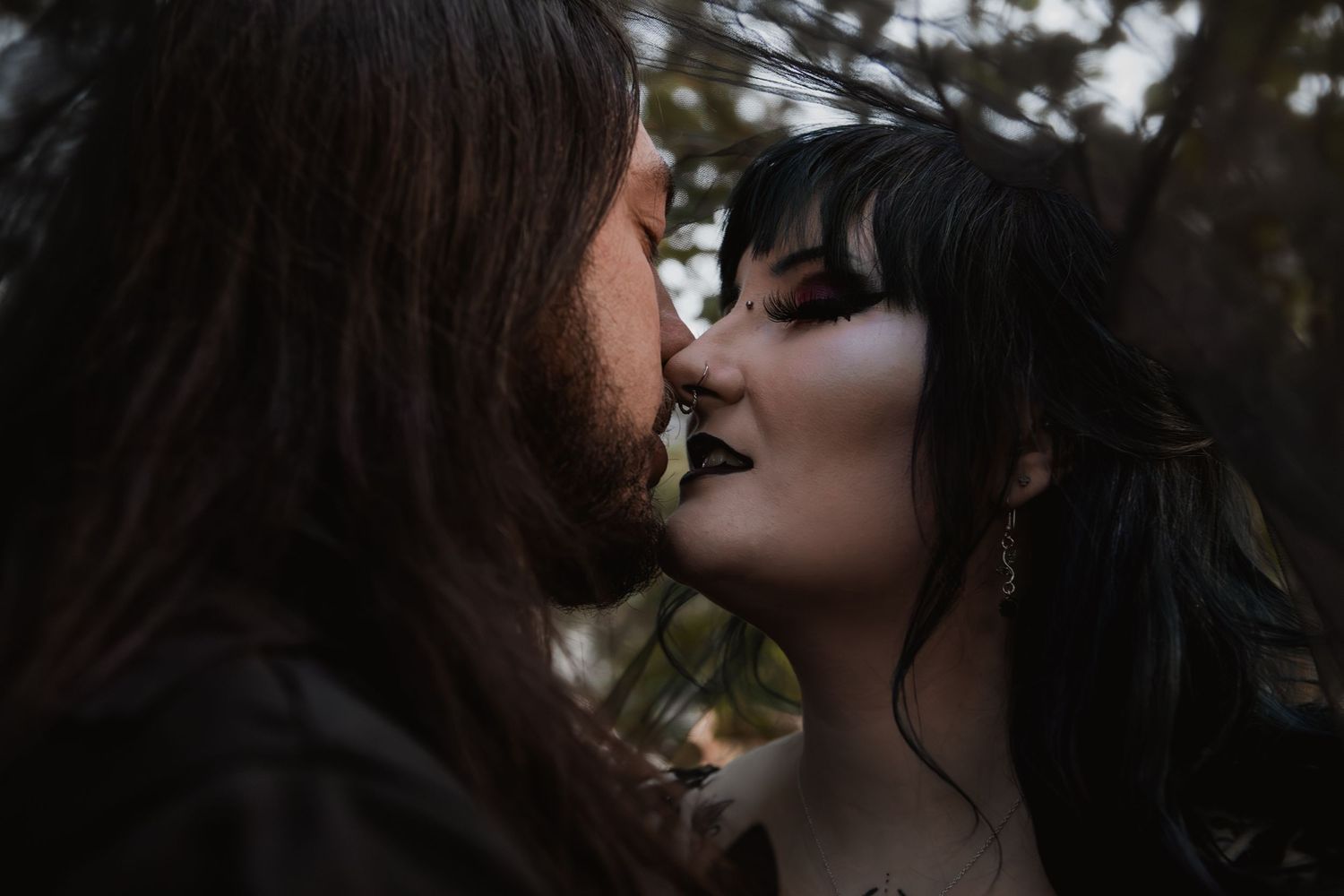
Rather than forcing couples into stiff poses or expecting them to perform for the camera, I focus on creating an environment where people can simply be themselves. Through gentle prompts, conversation and a relaxed approach, I give people something to focus on other than the fact they're being photographed.
Often the best photographs happen when people stop thinking about the camera altogether.
I also understand that comfort looks different for everyone. Some people love lots of direction and reassurance. Others prefer to be left alone to interact naturally. Some need time to warm up before they feel relaxed. Some need regular breaks. Some want every detail explained beforehand, while others prefer to go with the flow.
There isn't a right or wrong way to feel in front of a camera.
My job isn't to change who somebody is.
My job is to adapt my approach so they feel comfortable enough to be themselves.
Because when people feel safe, supported and understood, that's when the real moments happen. The genuine laughter. The quiet glances. The excitement. The emotion.
And those are always the photographs that matter most.
Creating A Space Where People Don't Have To Explain Themselves
One of the greatest compliments I can receive from a couple isn't about my photography. It's when they tell me they felt completely comfortable being themselves.
Unfortunately, not everybody walks into the wedding industry expecting that to be the case. Many people have experienced assumptions being made about their relationship, their identity, their family, or what their wedding "should" look like. Others have spent years feeling like they have to explain why they need certain adjustments or justify why their day doesn't fit the traditional mould.
I never want my couples to feel like they have to do that with me.
Whether you're queer, neurodivergent, disabled, part of the alternative community, navigating complex family dynamics, or simply planning a wedding that doesn't follow convention, you deserve to feel welcomed without feeling like you have to defend your choices or educate the people around you.
That means respecting names and pronouns. It means understanding that families come in all shapes and sizes. It means recognising that traditions are optional, not mandatory. It means asking questions rather than making assumptions, and listening without judgement.
It also means creating an environment where you can tell me what you need, whether that's extra guidance, a quieter moment away from the crowd, a change to the timeline, or simply the reassurance that it's okay to do things differently.
Because your wedding isn't about fitting somebody else's expectations. It's about celebrating your relationship in a way that feels authentic to you.
If I can create a space where my couples feel seen, heard and accepted from the very first enquiry through to delivering their gallery, then I've done far more than simply take beautiful photographs.
I've helped create an experience where they could show up as themselves without feeling like they had to explain why.
Ready to chat?
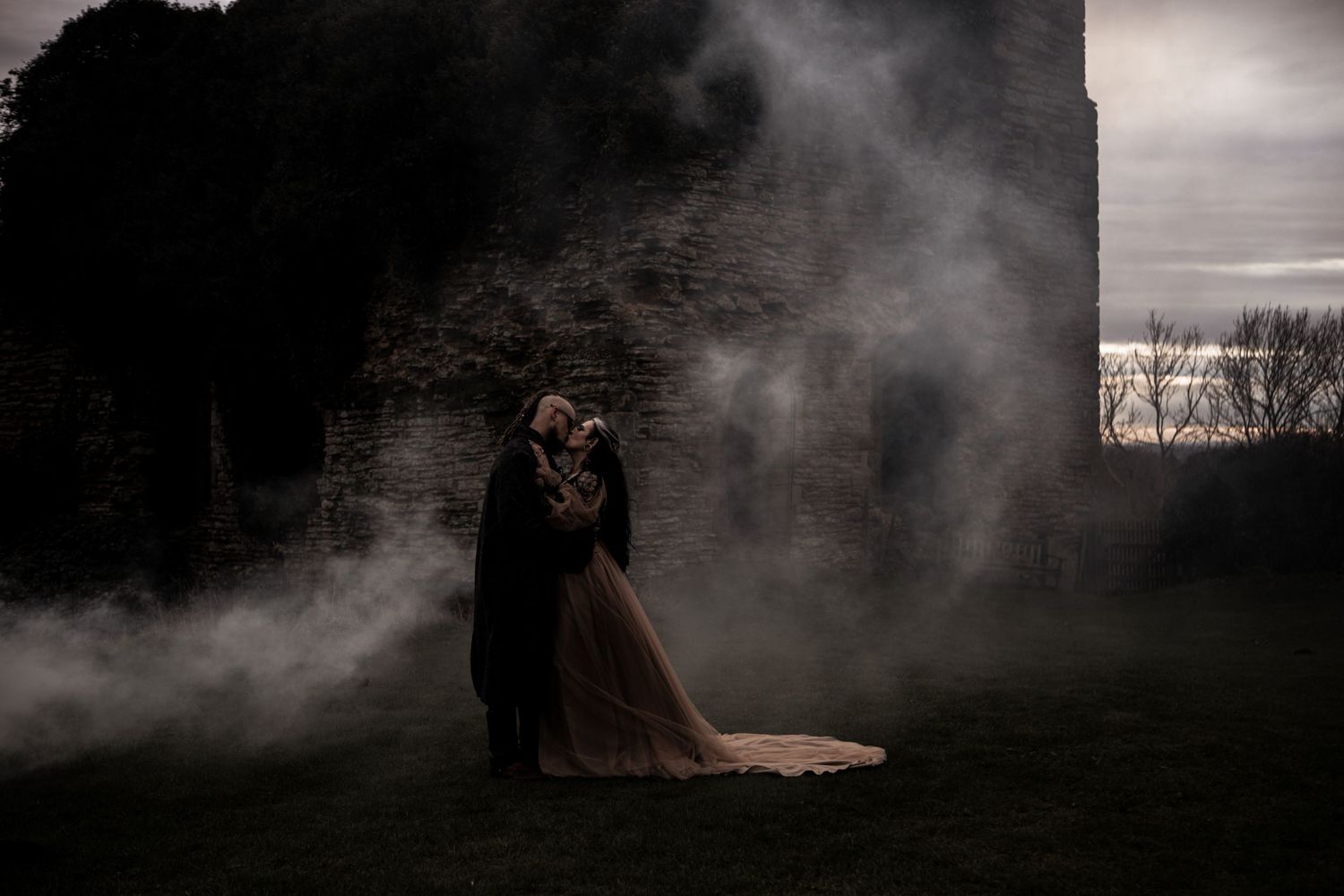
If you’re looking for an alternative wedding photographer who gets what you want and delivers photos you can be proud of, I’d love to hear from you.
Fill out the contact form, send me an email, or let’s chat over a coffee if you’re nearby. I’m here to help make your day feel effortless, so you can focus on what matters.